At Thorner C of E Primary School, writing is an inspiring and creative subject that enables every child to communicate ideas, express themselves and write for authentic purposes and audiences. Our ambitious writing curriculum is carefully aligned to the National Curriculum and informed by the Department for Education's Writing Framework: Teaching the Foundations of Literacy. Through high-quality texts, explicit teaching and meaningful writing opportunities, pupils develop the knowledge, vocabulary and skills needed to become confident, fluent and effective writers.
We place equal importance on the foundations of writing, including handwriting, spelling, grammar and sentence construction, so that pupils secure fluent transcription and can focus their attention on composition. Writing knowledge is taught in a carefully sequenced progression from Early Years to Year 6, enabling pupils to build on prior learning, make connections and achieve increasingly sophisticated outcomes over time.
Our carefully chosen core texts provide rich language models, broaden pupils' knowledge of the world and inspire purposeful, high-quality writing. We want every child to leave Thorner as a confident writer who takes pride in their work and is equipped to succeed in the next stage of their education.
Intent
At Thorner, we intend for all pupils to:
- Develop a love of writing and see themselves as successful writers.
- Secure the foundational knowledge of spelling, handwriting, grammar and composition needed for writing success.
- Write confidently, accurately and creatively for a range of authentic purposes, audiences and contexts.
- Build and apply an increasingly rich vocabulary to communicate effectively.
- Reflect on, edit and improve their writing to strengthen quality and impact.
- Take pride in presenting and publishing work of a high standard.
Implementation
Our writing curriculum is coherently sequenced so that pupils secure essential foundational knowledge before applying it to increasingly complex writing tasks. Teachers assess learning carefully and adapt teaching to ensure all pupils, including those with SEND and disadvantaged pupils, successfully access and achieve the curriculum.
Key features of our approach include:
- High-quality texts that inspire ideas, enrich vocabulary and provide strong models for writing.
- Progressive writing assessment frameworks that clearly identify the knowledge and skills pupils need to secure and build over time.
- Writing opportunities that are purpose-driven and audience-focused, making learning authentic, meaningful and engaging.
- Explicit teaching and revisiting of ambitious vocabulary to support language development and retention.
- Little Wandle Handwriting (EYFS and KS1) and Letter-join (KS2) to develop fluent, legible handwriting.
- Little Wandle Phonics and Little Wandle Spelling (EYFS to Year 2), alongside Spelling Shed (Years 2 to 6), to secure accurate transcription and spelling knowledge.
Writing is taught through our structured Collect, Connect, Create approach:
Collect
Pupils immerse themselves in high-quality texts, explore language choices, analyse effective examples of writing and gather ambitious vocabulary.
Connect
Teachers use explicit modelling to teach sentence construction, grammar, punctuation and composition. Pupils develop ideas and practise applying new learning.
Create
Pupils draft, edit, refine and publish their writing, responding to feedback and taking increasing ownership of the writing process.
In Early Years and Key Stage 1, Little Wandle provides a strong foundation in phonics, transcription, letter formation and purposeful early writing, ensuring pupils are well prepared for future success.
Impact
As a result of our writing curriculum:
- Pupils write confidently, accurately and fluently across a range of subjects and contexts.
- Pupils use ambitious vocabulary and make informed authorial choices.
- Pupils apply spelling, grammar and punctuation knowledge with increasing accuracy.
- Pupils edit and refine their work independently, improving quality and impact.
- Pupils present their work with pride and produce writing of a high standard.
- Pupils are well prepared for the next stage of their education as articulate, creative and capable writers.
What Our Children Say About Writing at Thorner
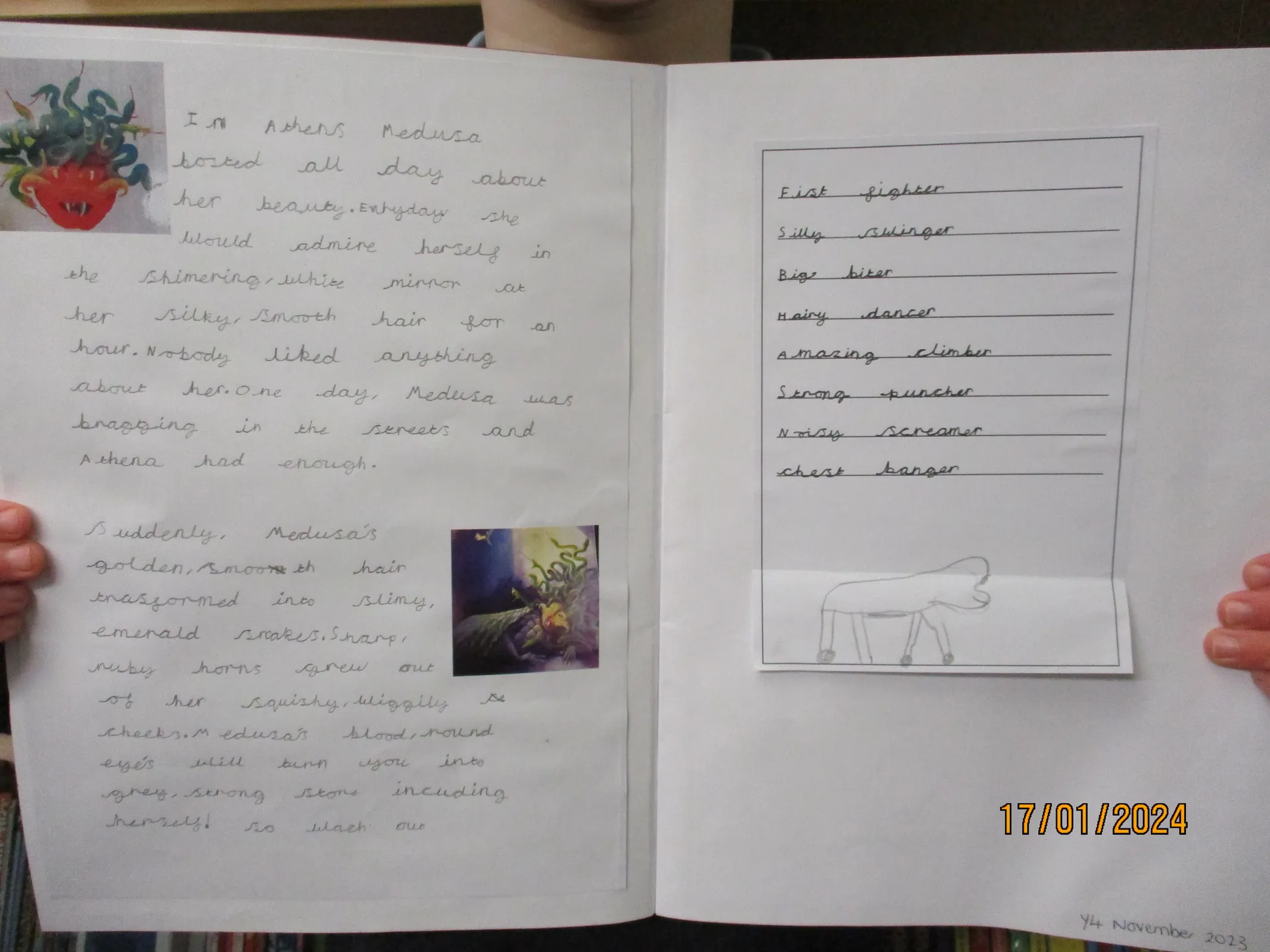
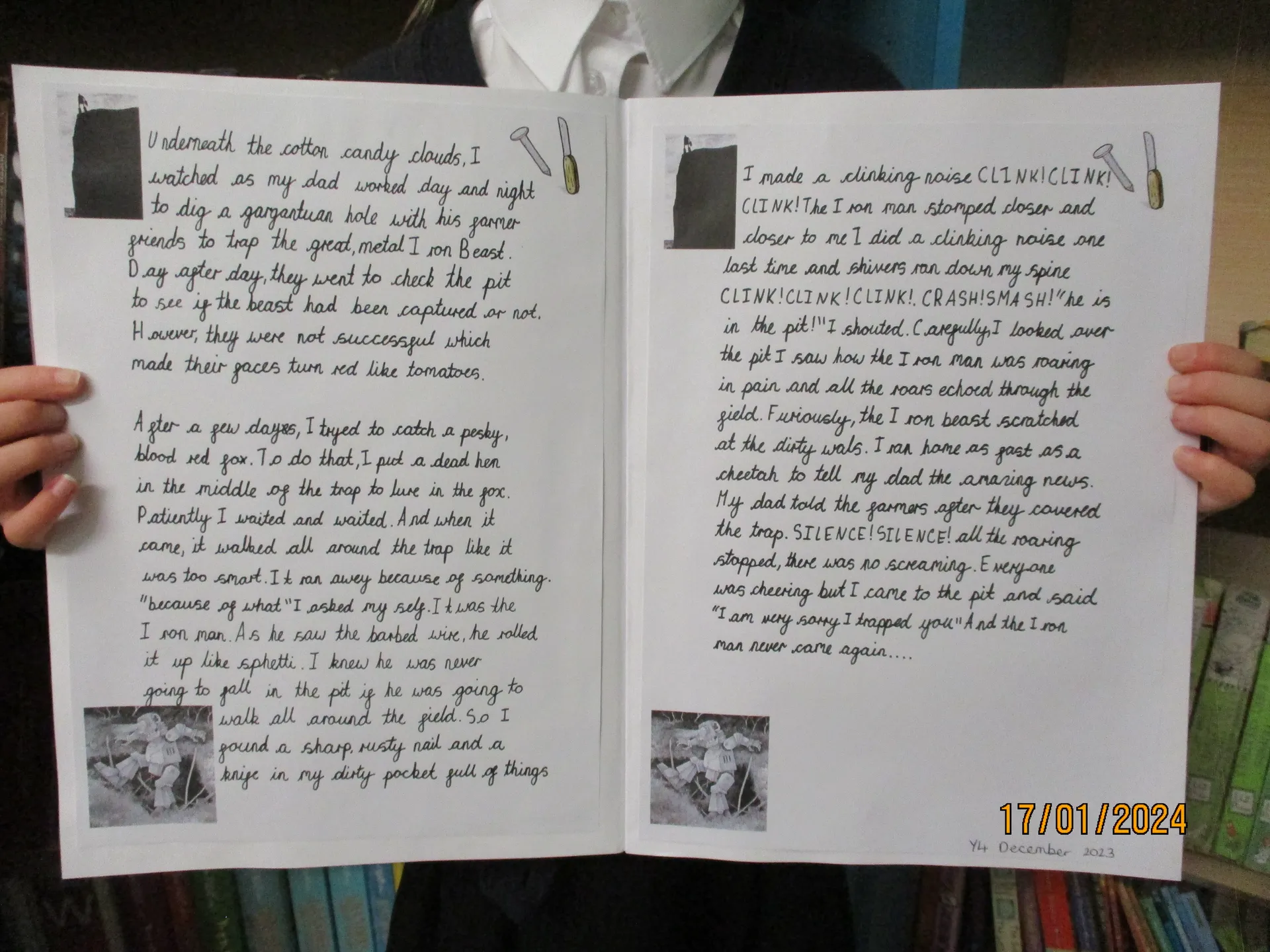
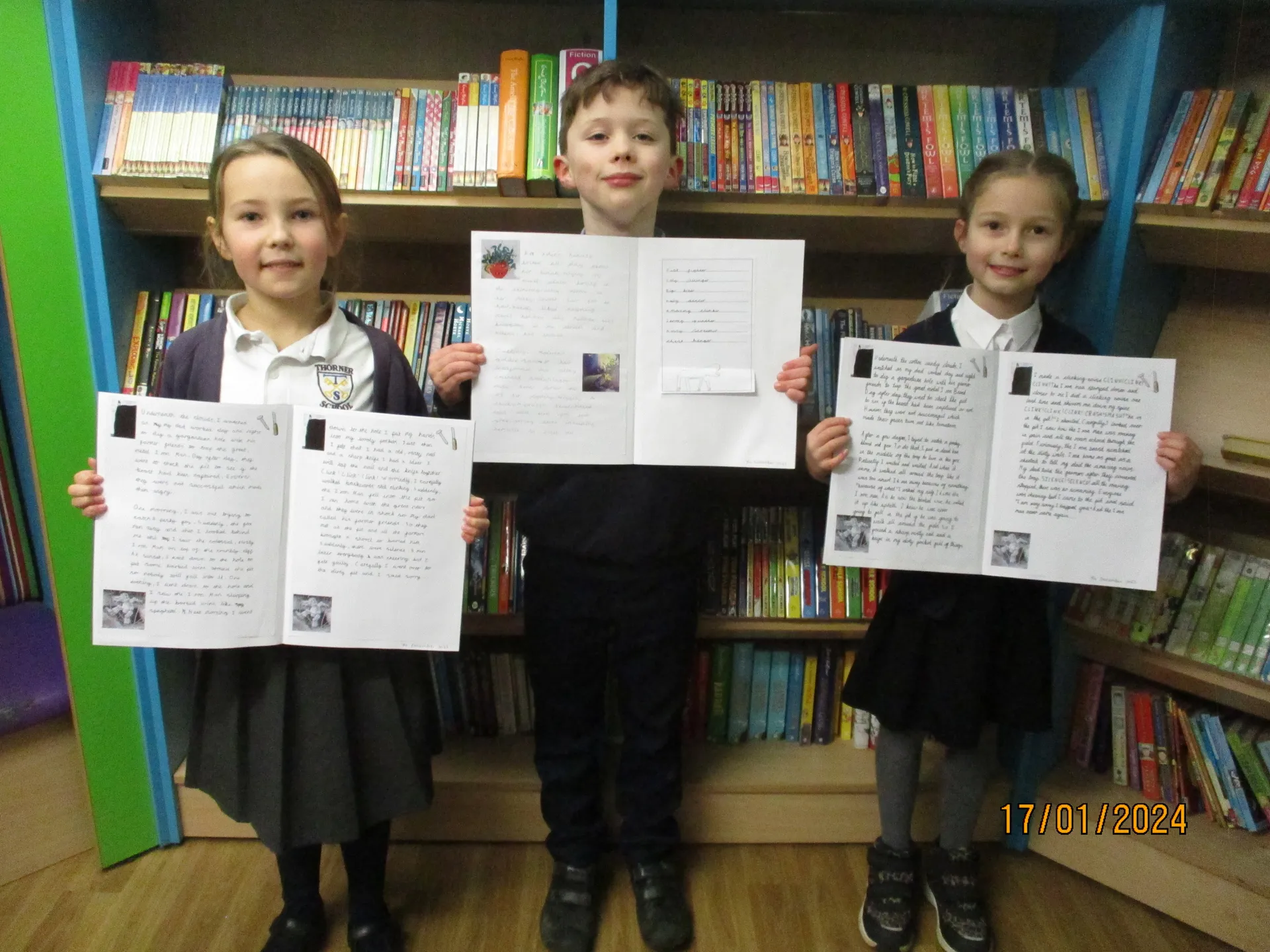
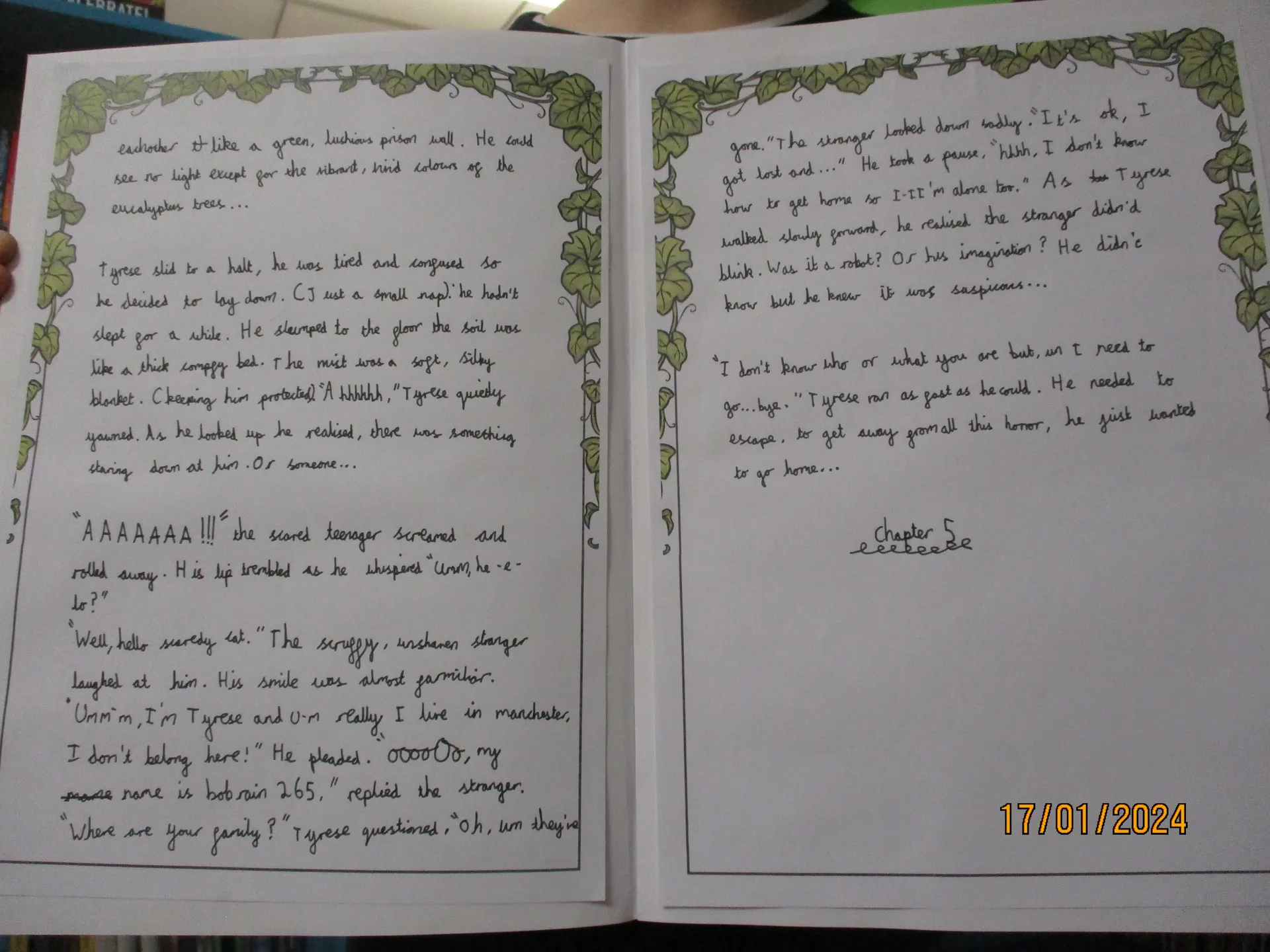
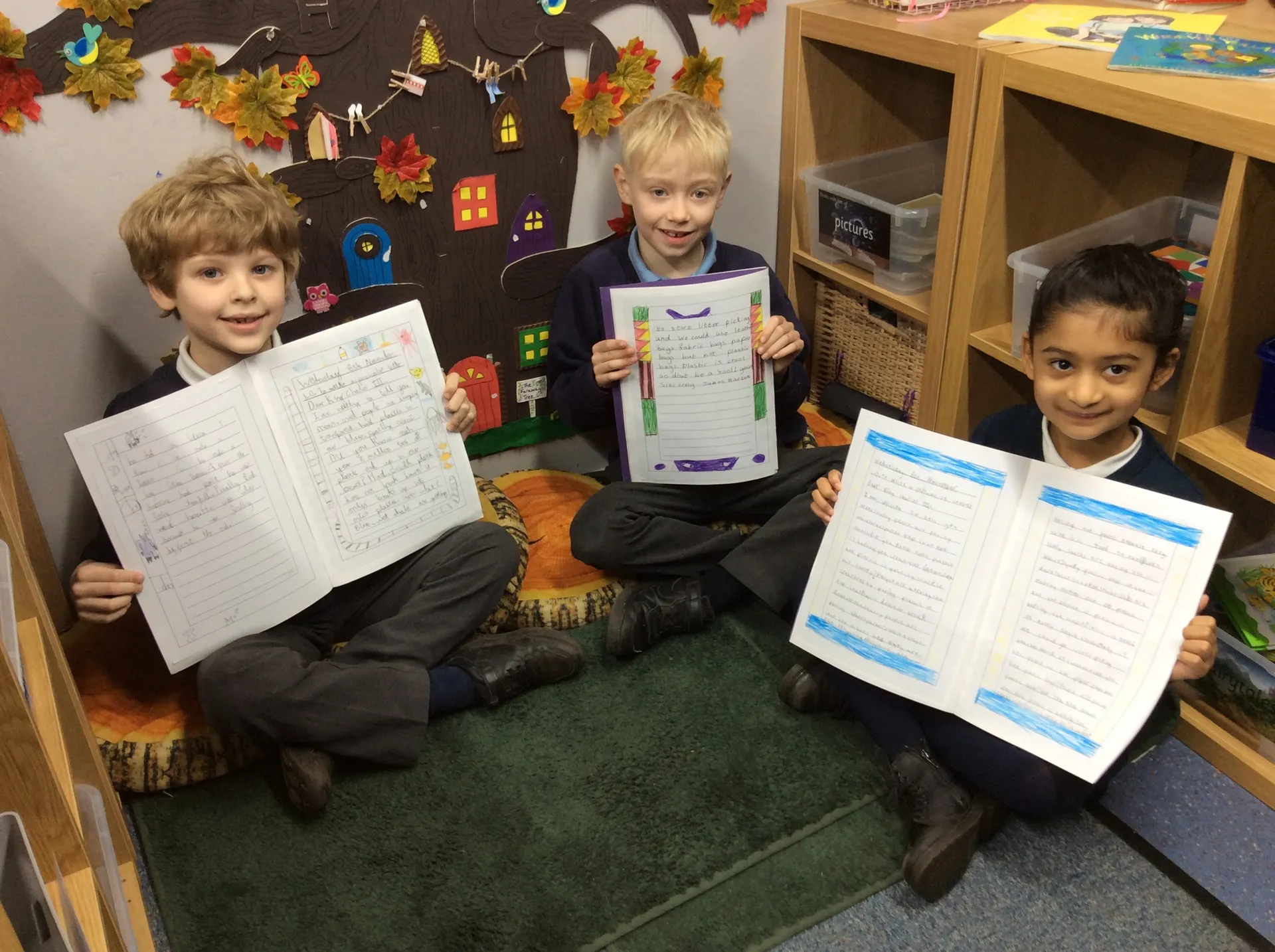
"I love writing because I get to express myself and show what I can do. I also love to see how my handwriting, spelling and work improves all the time."
"I like writing because I can get lost in it. It gives me a sort of release that nothing else can."
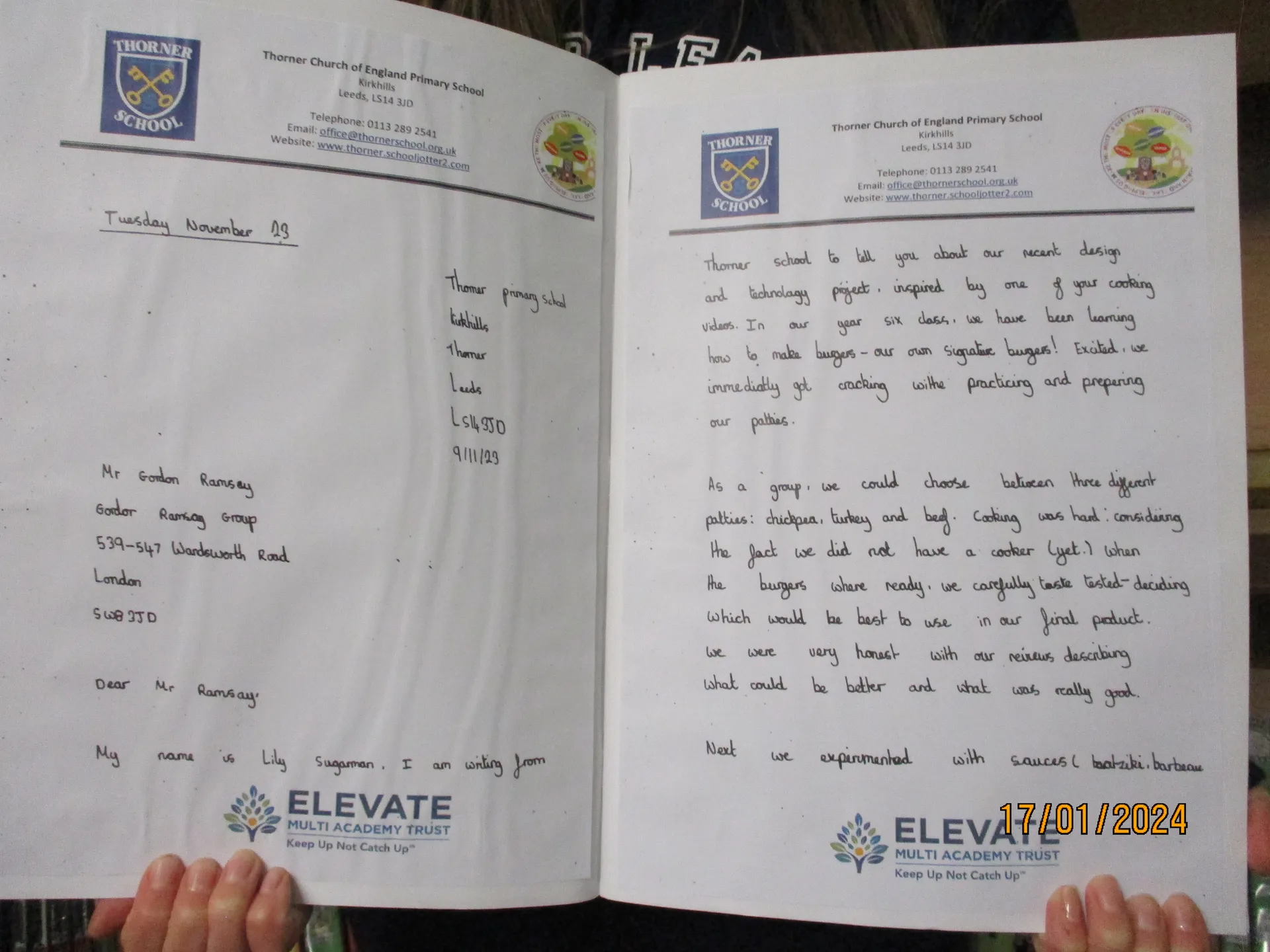
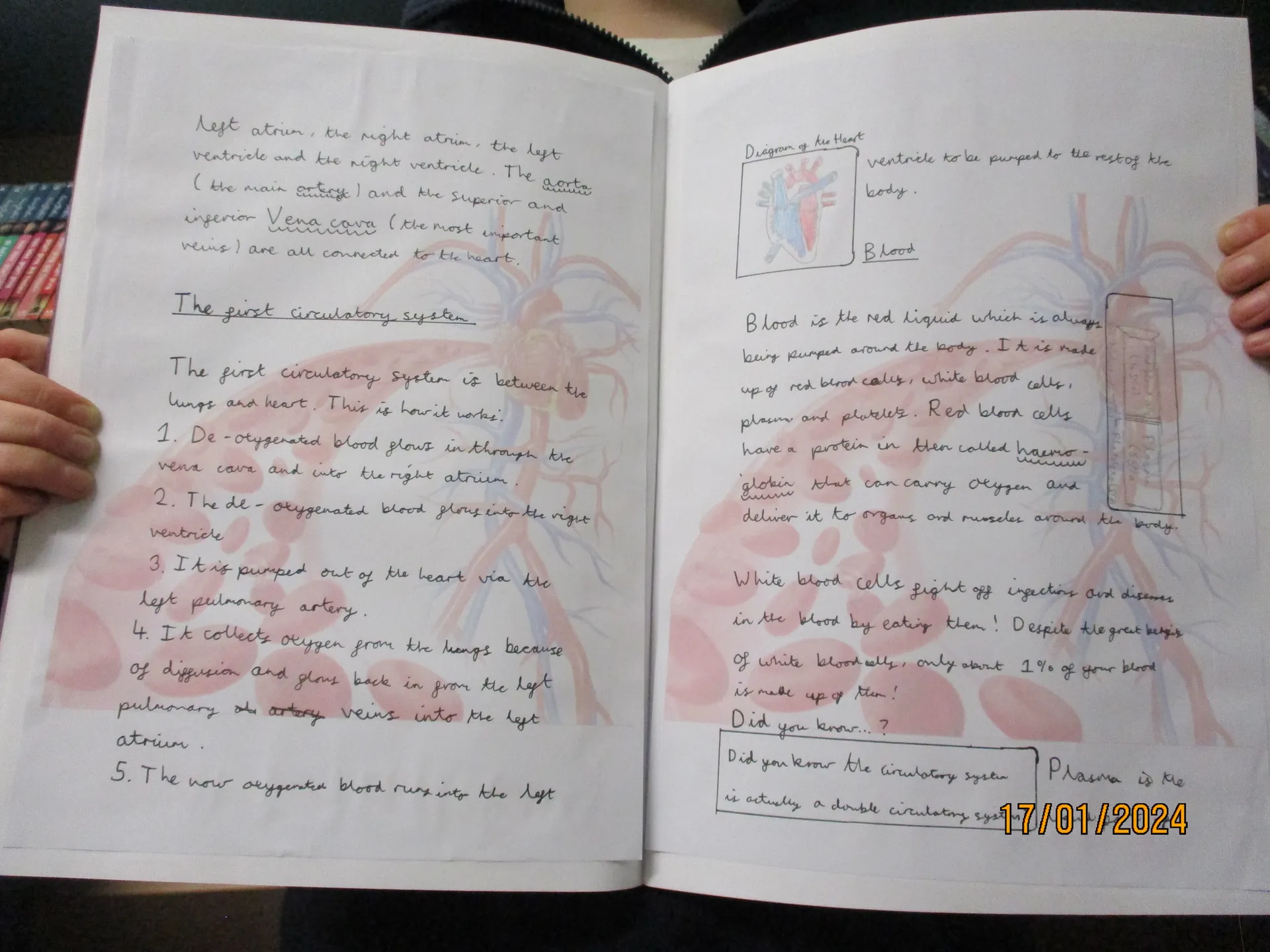
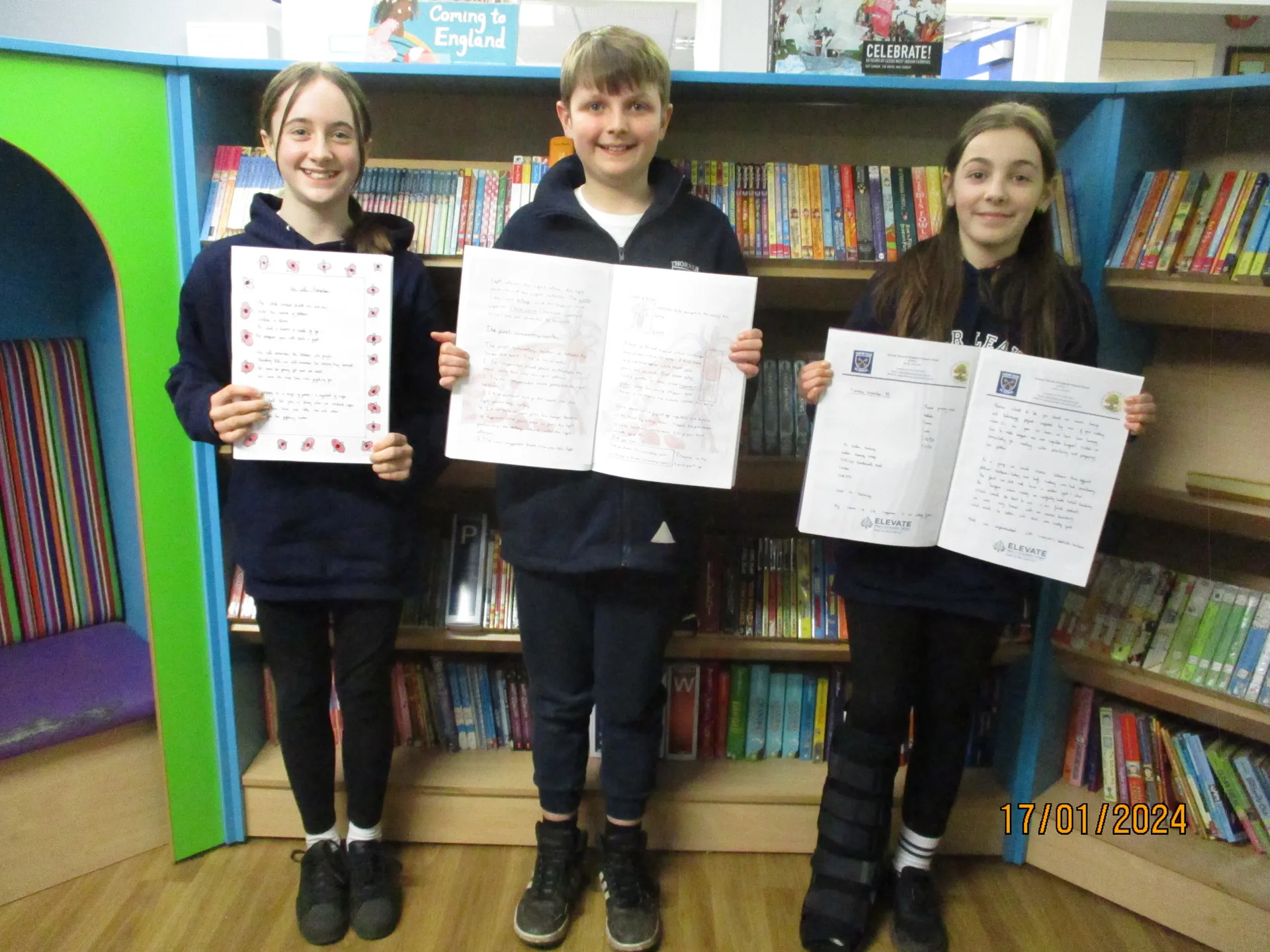
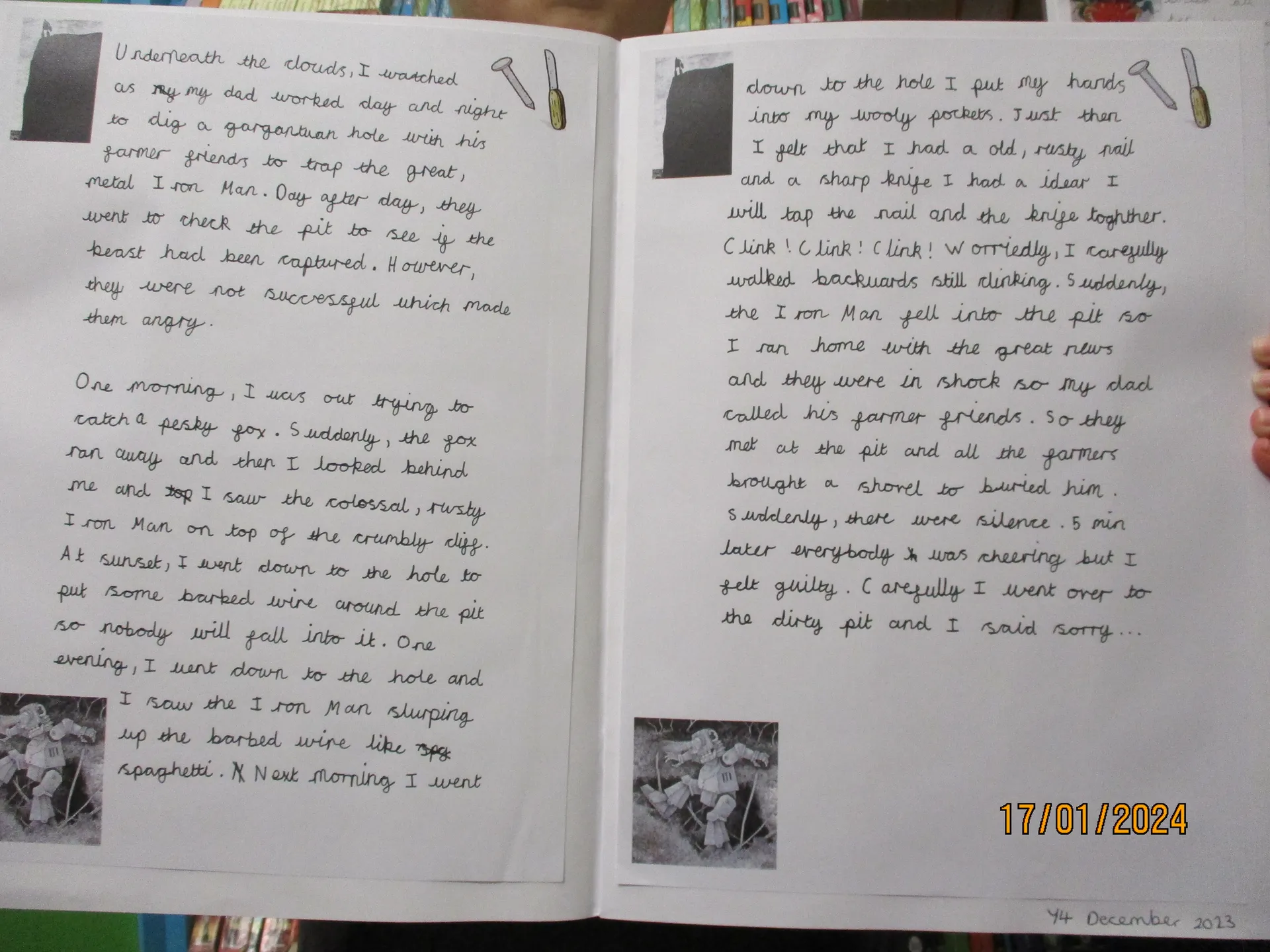
"I like writing at Thorner because it doesn't matter if you are writing a story, diary, biography or a poem, you can always express your creativity."
"I really like writing because I improve every day and I learn new words all the time. The words help make my writing better and it is always fun."
| Name | Format | ||
|---|---|---|---|
| Files | |||
| Elevate Combined Writing Assessment Framework.pdf | |||
| Thorner Oracy Framework 2026.pdf | |||
| Year 1 to Year 6 Progression Map.pdf | |||
Our English approach is implemented through quality texts, which may be cross-curricular, that inspire us as teachers and enthuse our children. In writing, we follow the CCC’s (Collect, Connect and Create) approach. During each stage, we ensure children are exposed to high quality modelling from teachers and analyse WAGOLL’s which then form the basis of our working walls. We ensure that all tasks are accessible for all children including those with SEND and provides an appropriate level of challenge.
When we are focusing on the ‘Collect’ stage, we ponder and predict what might happen in the story/text, analyse WAGOLL’s (What A Good One Looks Like – used as an exemplary piece) for word sentence and organisational features as well as collect high quality vocabulary from the text which the children can use and apply in their own writing.
In the ‘Connect’ stage of our learning, we use the collected vocabulary and model it into sentences/paragraphs. We also develop ideas by manipulating sentence structures, constructing paragraphs and using higher-level punctuation and grammar. We put great emphasis on children taking pride in their writing. Learning objectives are skill based linked with the National Curriculum objectives and taught in an inspiring and creative manner.
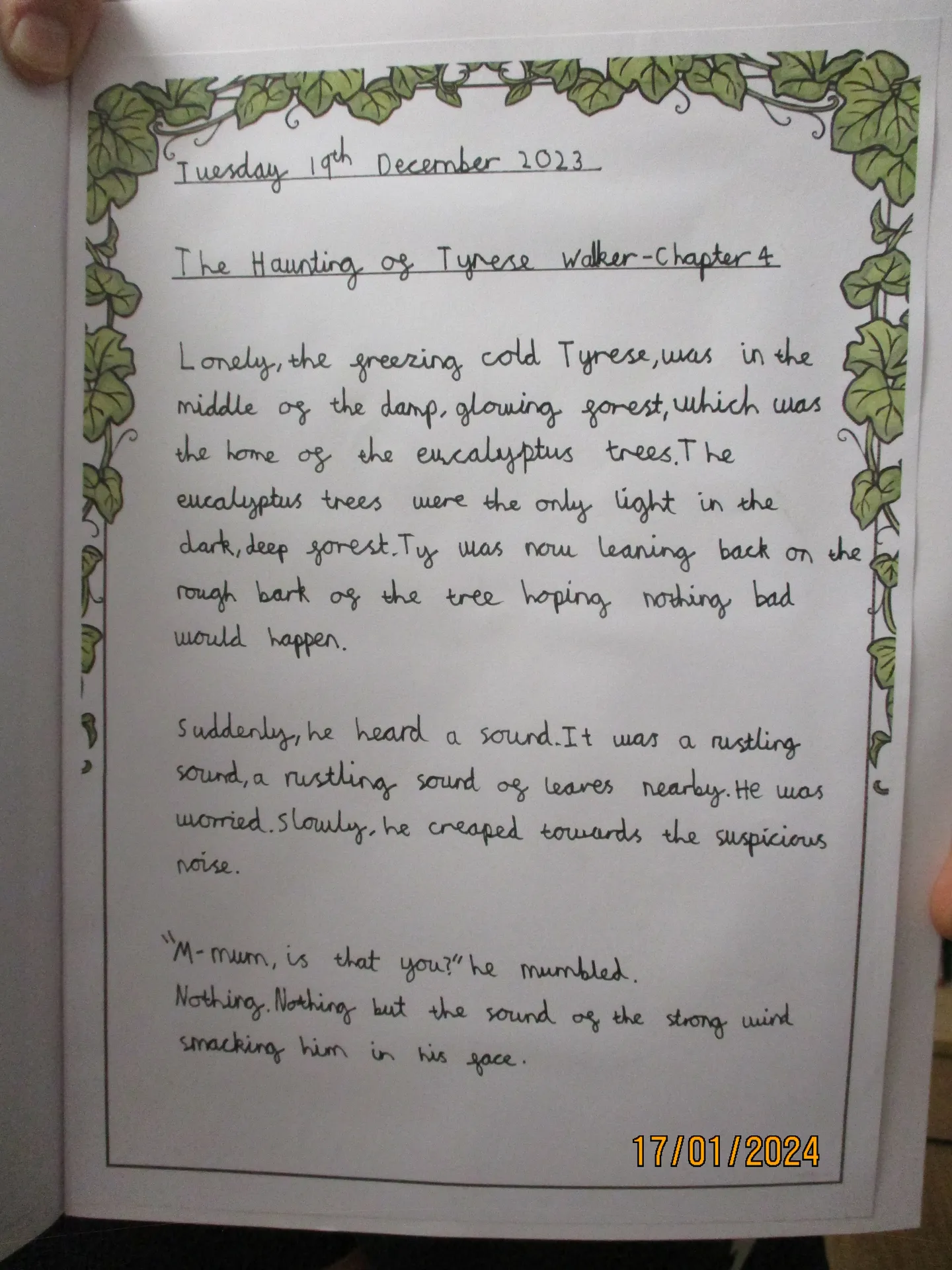
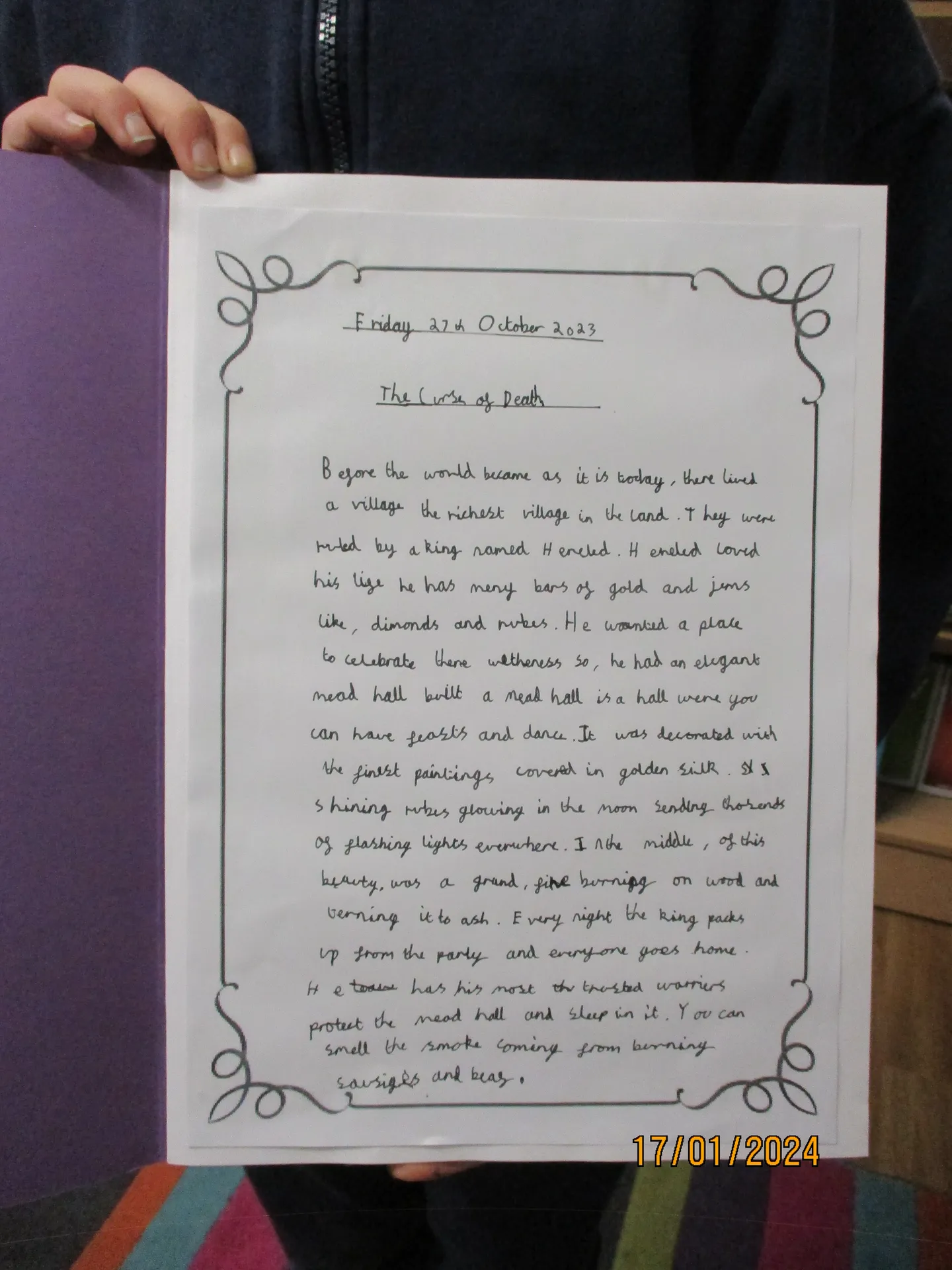
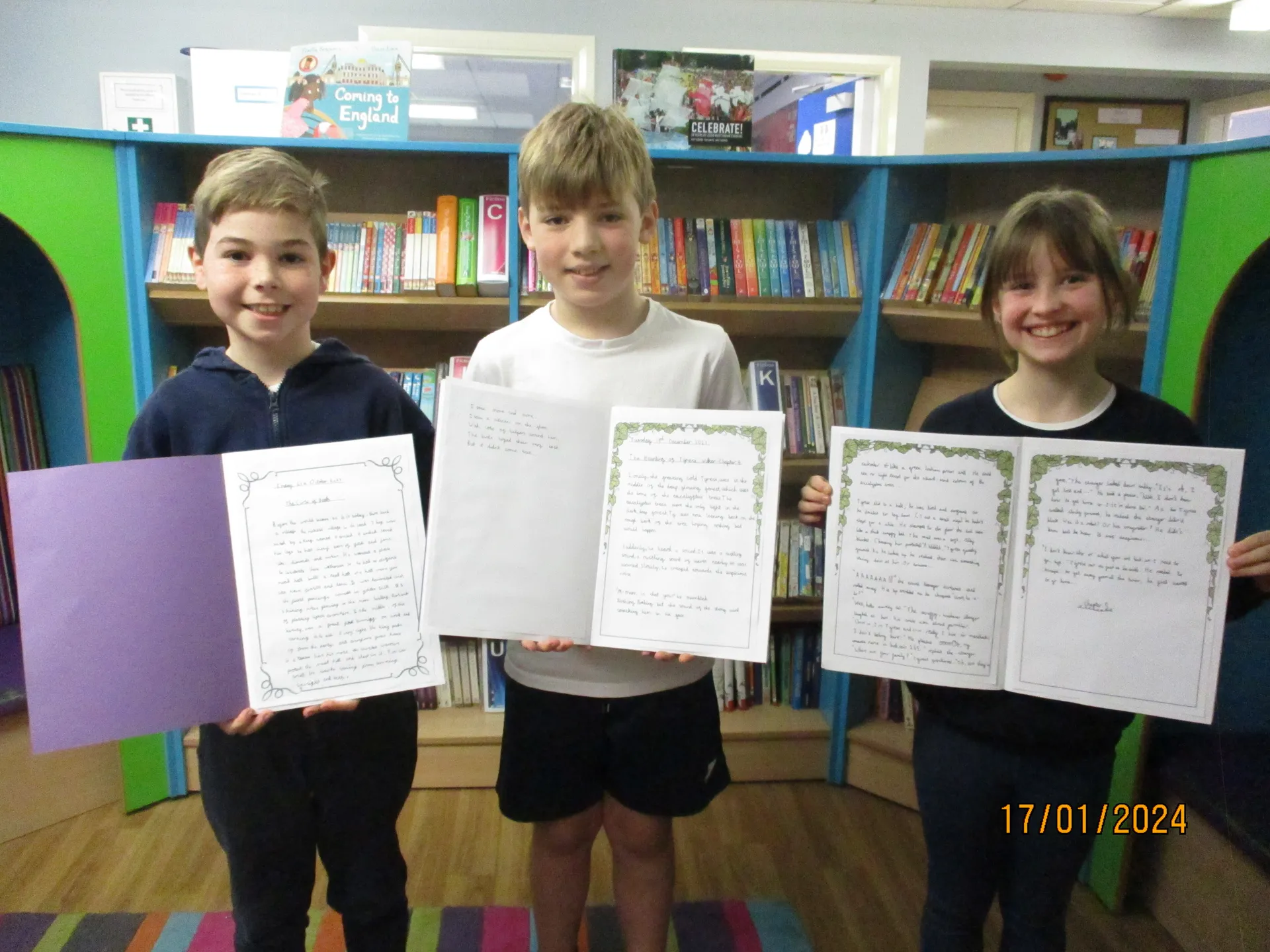
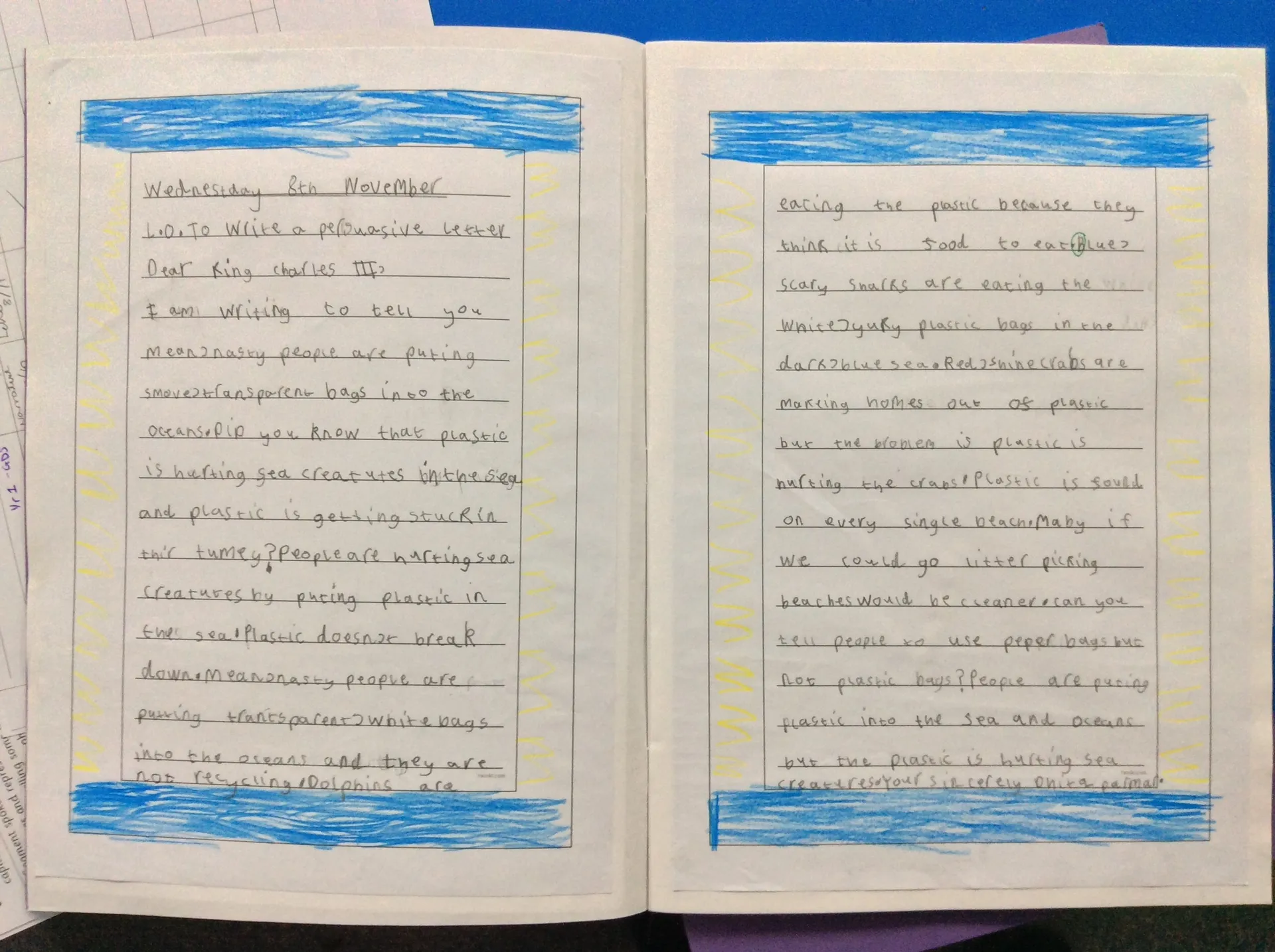
Therefore, in the ‘Create’ stage of their learning children plan and write an extended piece of writing using success criteria which has either been given to them or produced by the children. They then edit and improve these pieces of writing before publishing a final piece. This produces a high-quality published piece of writing with all feedback embedded.
When appropriate, children are provided with time to complete a free writing activity or given time for writing about significant events e.g., global, national, and local events, or school events as and when they occur.
The teaching of the statutory spelling rules is implemented through a range of strategies that include phonology (how it sounds), graphology (writing the word), orthography (how it looks), morphology (how your brain remembers it) and etymology (history of the word).
In EYFS, well-sequenced phonics teaching supports letter formation and spelling of words. (See EYFS & Phonics) We follow Little Wandle and writing is an important and valued part of each phonics session. In the early stages of EYFS mark making is valued and writing is implemented in the moment, engaging children in purposeful writing through their play. Adult modelling is key to children segmenting words accurately and forming letters correctly. Helicopter Stories are used to model and encourage the retelling and creating of stories which children then independently replicate in provision areas, choosing to write and act out their own stories.
The impact of our writing approach is that:
- Children enjoy writing.
- Children write for a variety of purposes, contexts and audiences
- Children use discussion to further enhance their writing.
- Children can plan, edit and publish their writing.
- Children write in neat, joined and legible handwriting.
- Children spell words correctly and their sentences are grammatically correct.
What our children say about writing at Thorner:
“I love writing as I get to express myself and show what I can do. I also love to see how my handwriting, spelling and work improves all the time.”
“I enjoy writing at Thorner because we do exciting activities, for example when we were writing about War Horse a real horse came to school to help inspire our writing.”
“I really like writing because I improve every day and I learn new words all the time. The words help make my writing better and it is always fun.”
Reading
‘An inspirational place to learn and play, helping us make the most of every day’
Reading is at the heart of the curriculum at Thorner; teaching a child to read is the greatest gift that we can give a child in our school. Because of this, we see it as a primary purpose of our curriculum. From Early Years to Year 6, we ensure that all our children not only learn the skills and knowledge to enable them to read (following the EYFS Framework and National Curriculum), but also to develop positive life-long dispositions and attitudes towards reading – that will take our children through secondary school and into adulthood. (Click here to read our reading progression document).
Reading Spine
We want our school to be a place where children are read to, enjoy, discuss and work with high quality books and texts. These ‘essential reads’ would be a store of classics, creating a living library inside a child’s mind. This is the ‘Reading Spine’. These texts have been selected based on ideas from a range of different sources, for example, Pie Corbett's Reading Spine, Doug Lemov's Reading Reconsidered, and Ashley Booth's The Teaching Booth materials. They are books which we believe will not only give pupils the opportunity to develop their skills in reading, such as fluency and comprehension, but, more importantly, enhance their engagement and love of reading as they move through our school and beyond.
The texts of our reading spine also take into consideration those readers who are potentially working at a greater depth of understanding and need to be challenged further. They are complex, either through their lexical level, or because they contain text, for example, which contains archaic, figurative or symbolic language, or non-linear time sequences.
To complement our reading spine, children also read a wide variety of texts which address diversity and equality, thus ensuring that our children have a rich and varied reading diet which is reflective of the current world and the future.
Pie Corbett says…
“Great books build the imagination. The more we read aloud expressively, and the more children are able to savour, discuss and reinterpret literature through the arts, the more memorable the characters, places and events become, building an inner world. A child who is read to will have an inner kingdom of unicorns, talking spiders and a knife that cuts into other worlds. The mind is like a ‘tardis’; it may seem small but inside there are many mansions. Each great book develops the imagination and equips the reader with language.
Great stories speak to us as individuals and some children will return to certain books again and again. Great stories also build our language because around 75 per cent of our vocabulary comes from our reading. Reading develops the ability to think in the abstract; to follow lines of thought. Schools that have a reading spine, build a common bank of stories that bind the community together. These are shared and deeply imagined common experiences.”
Please click here to access our Reading Spine.
Teaching children to ‘decode’ or ‘read’ in its most basic form is a key driver for our Early Years and Key Stage 1 curriculum. Once children can ‘read’, through a robust and systematic approach, the world opens up to them. It is our duty to ensure that all our children are ready to embrace both the literary and wider world.
In Reading our intent is to:
- focus on the National Curriculum aims
- focus on the school’s curriculum policy
- develop a positive attitude to reading
- develop a desire to read
- be confident to make a variety of genre choices
- be inspired to read for pleasure and research purposes
- be inspired by text choice/authors and where appropriate links are made across the curriculum
- be confident in discussions about language, structure and presentation to develop own understanding
- develop a broad range of vocabulary
- make links between authors, genres and themes
- create strong links with writing
Reading is central to our curriculum and texts are selected and promoted to enhance the curriculum. We have implemented a Whole Class Reading (WCR) approach.
Our whole class reading structure is:
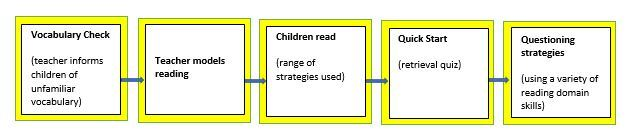
WCR is implemented everyday across Key Stage 1 (Year 2) and Key Stage 2. Teachers begin the process by unpicking key vocabulary and features from an age appropriate, high-quality text. During WCR teachers model reading using expression and intonation, children model reading to their peers, children read individually, in pairs or in small groups. Tasks set are linked to the reading that has taken place in that lesson and teachers assess against the reading domains. We ensure that all tasks are accessible for all children including those with SEND and provides an appropriate level of challenge. Every WCR session uses the following sequence:
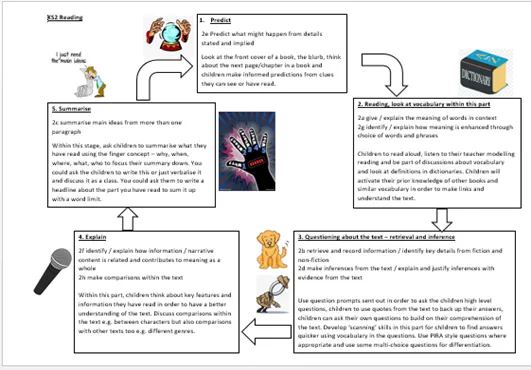
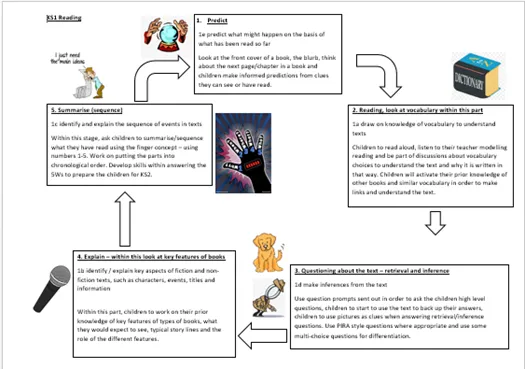
Ongoing assessment of children’s reading progress is sufficiently frequent and detailed to identify any pupil who is falling behind. Where a child falls behind, targeted support is given immediately in line with our ‘Keep up, not catch up’ policy.
To develop pupils’ understanding and use of spoken language: Pupils’ vocabulary, grammar, understanding of the world, and their ability to communicate effectively are improved through the quality and variety of language they are exposed to through; unpicking key vocabulary from a quality text with a heavy emphasis on the daily revisiting of unfamiliar vocabulary.
In EYFS, reading is a priority. We focus on developing fluency, confidence and enjoyment of reading. Adults will consistently model language, vocabulary and syntax both from books and stories, as well as throughout the day in play through our approach to teaching and learning. EYFS and KS1 (See Phonics section of the website) have daily storytelling time where children explore books and create their own narratives.
Teachers encourage reading for pleasure by:
- Reading out loud to children at least once a day
- Providing time and space for children to share their recommendations and opinions
- Encouraging reading at home. Children take home books that closely match the letter-sound correspondences, but also are also able to take home a ‘reading for pleasure’ book.
- Developing children’s rich ‘reading diet’ and knowledge of literature. Children are given the opportunity to personally respond to texts, debating and developing links to other texts, authors and prior knowledge.
- Using Reading Corners linked to our core text
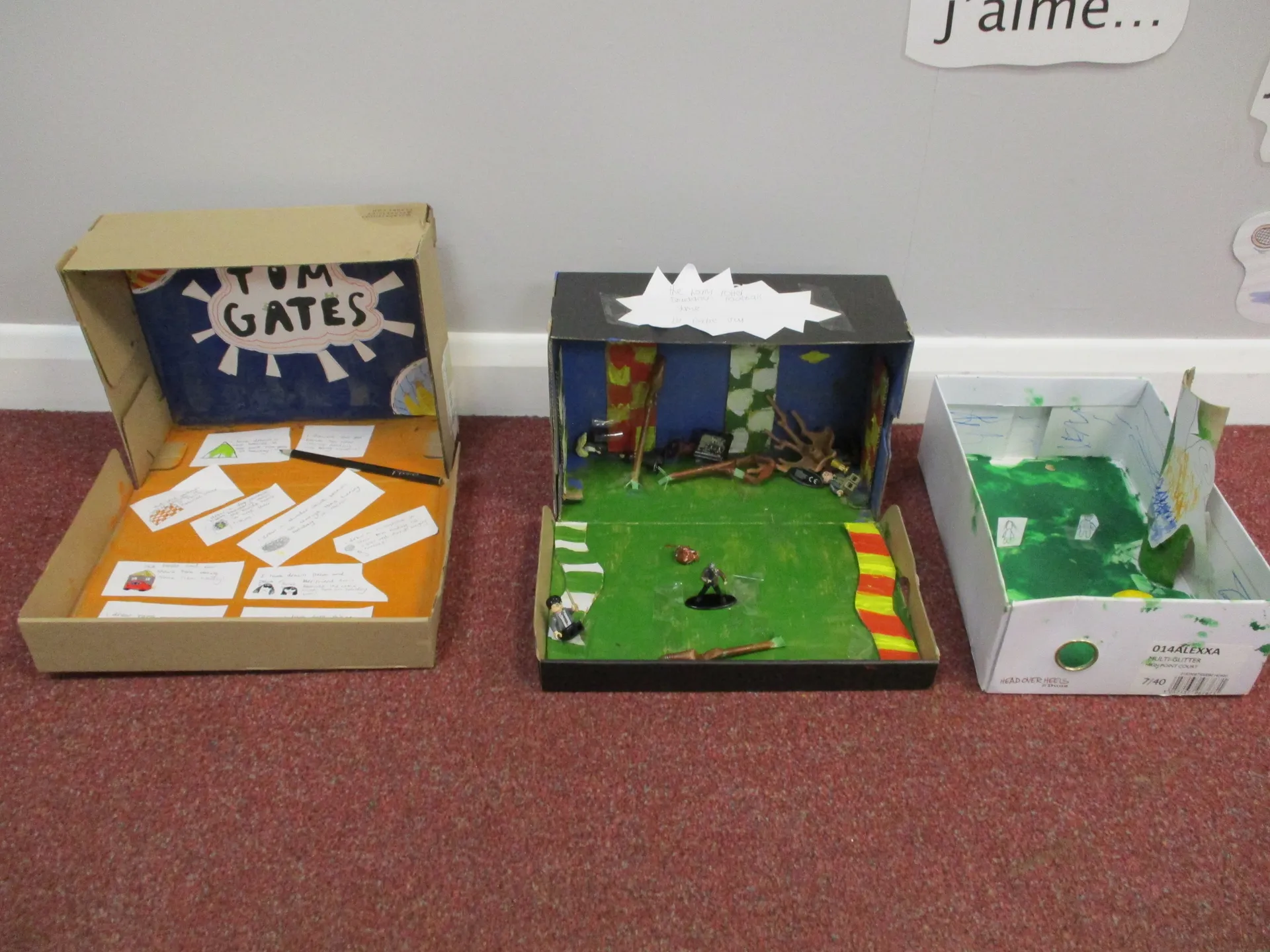
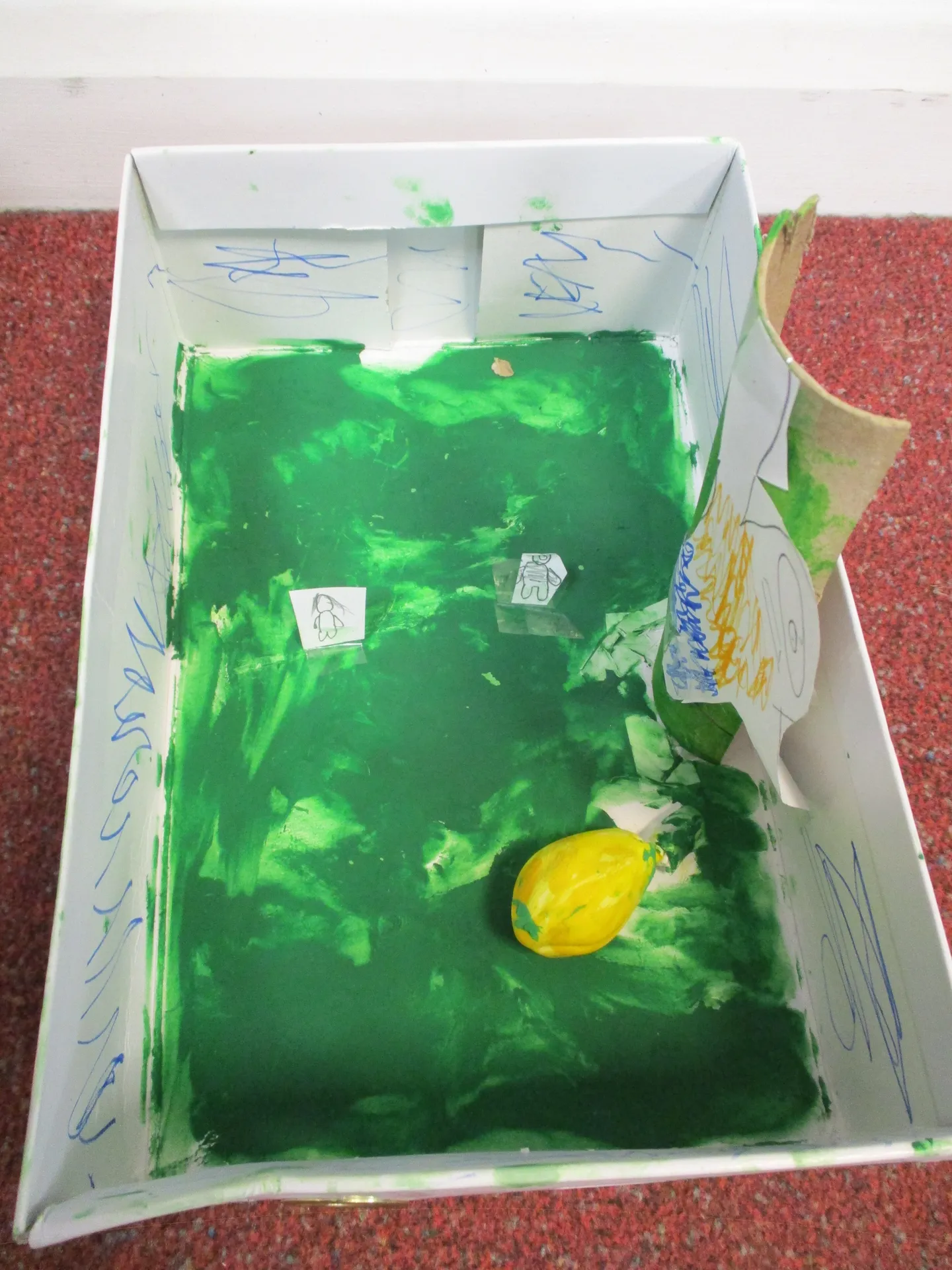
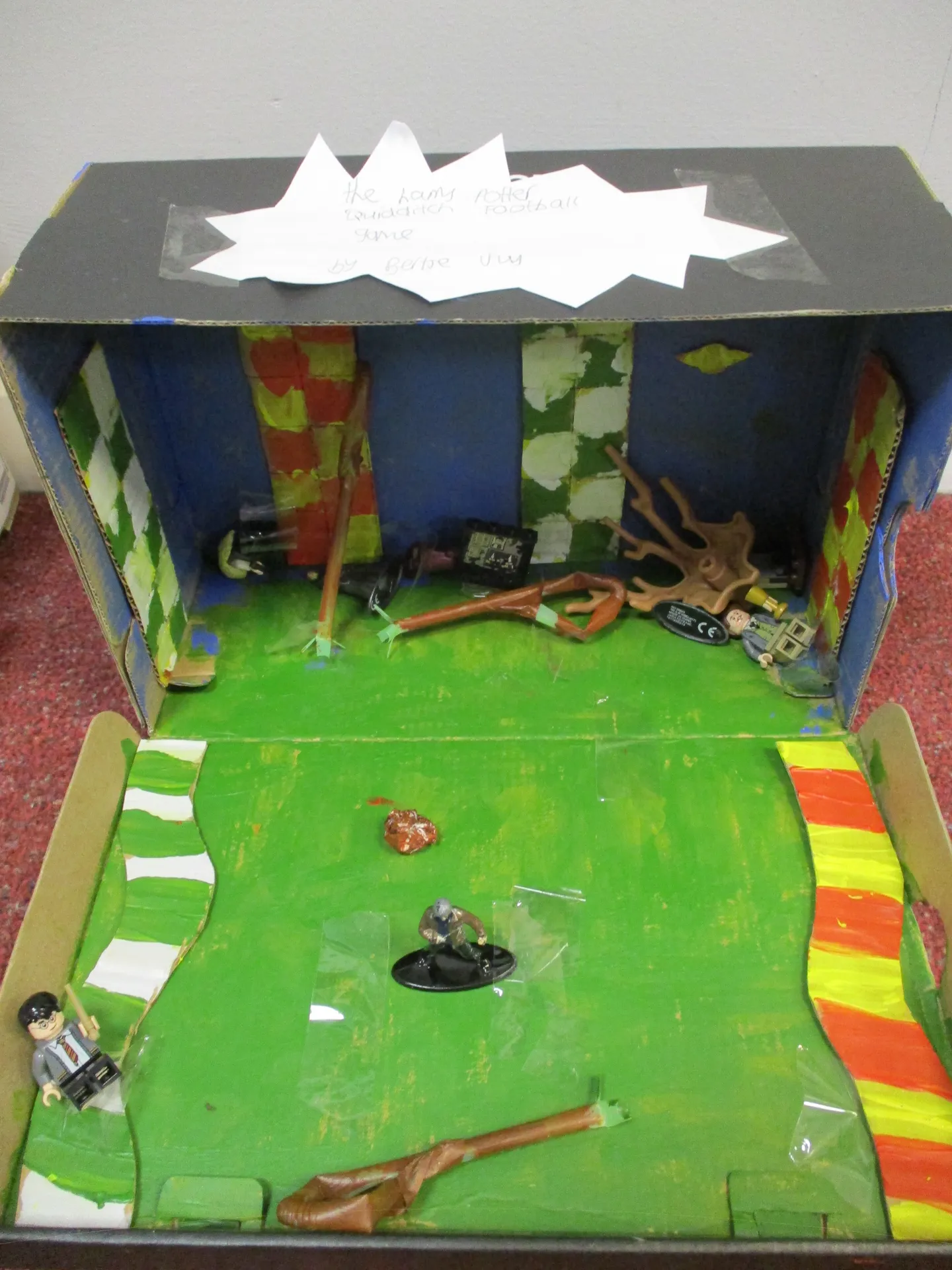
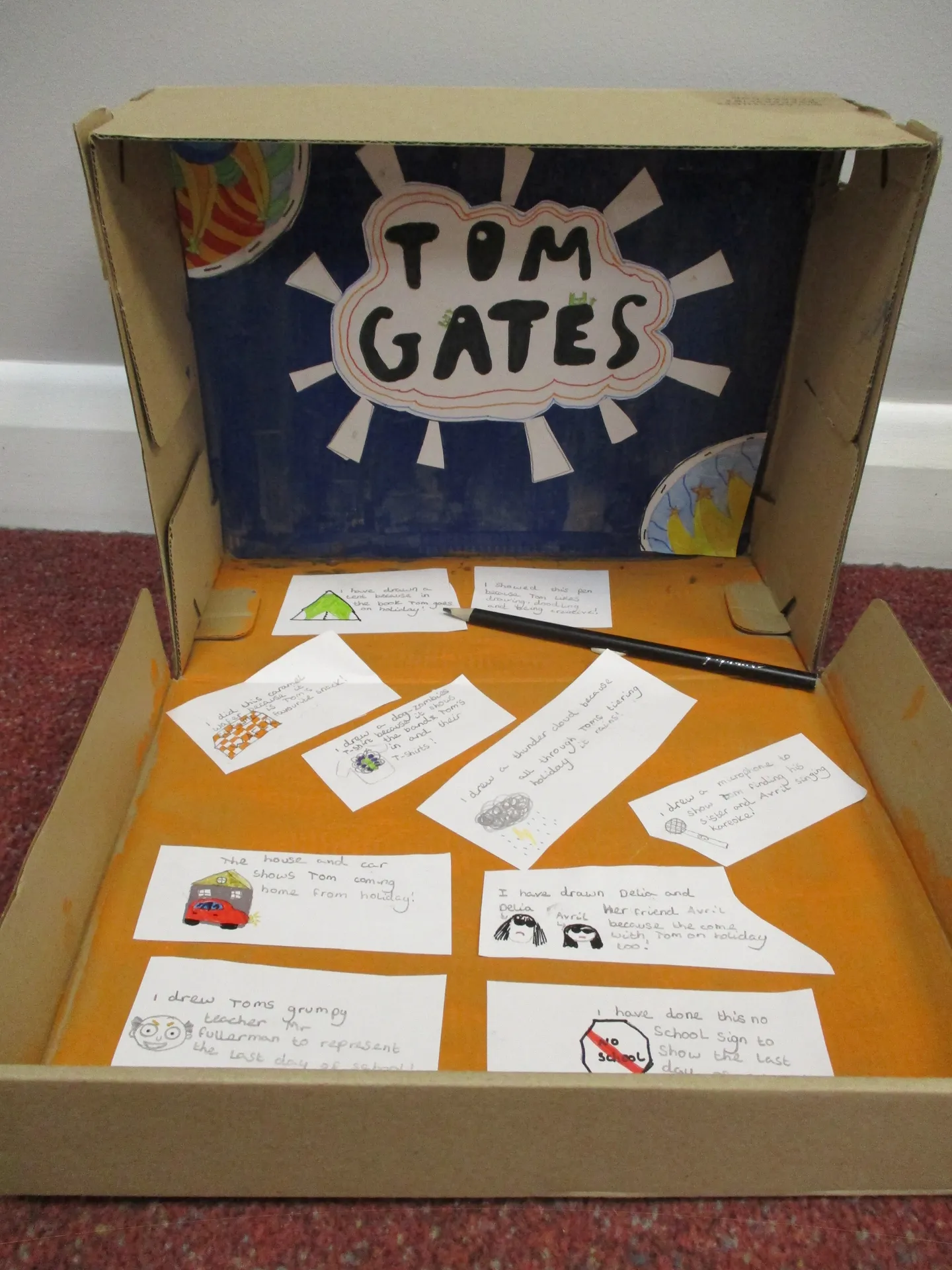
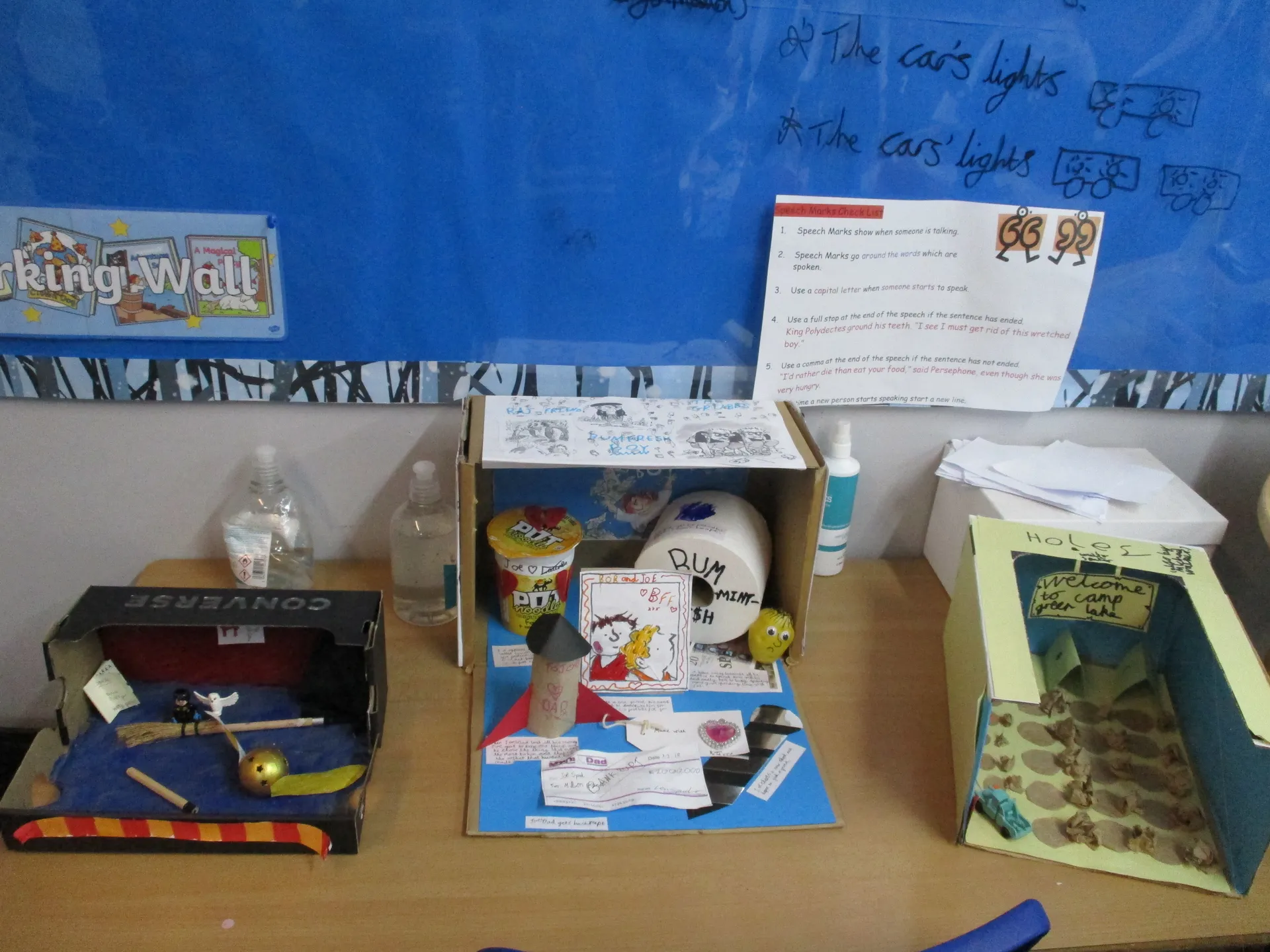
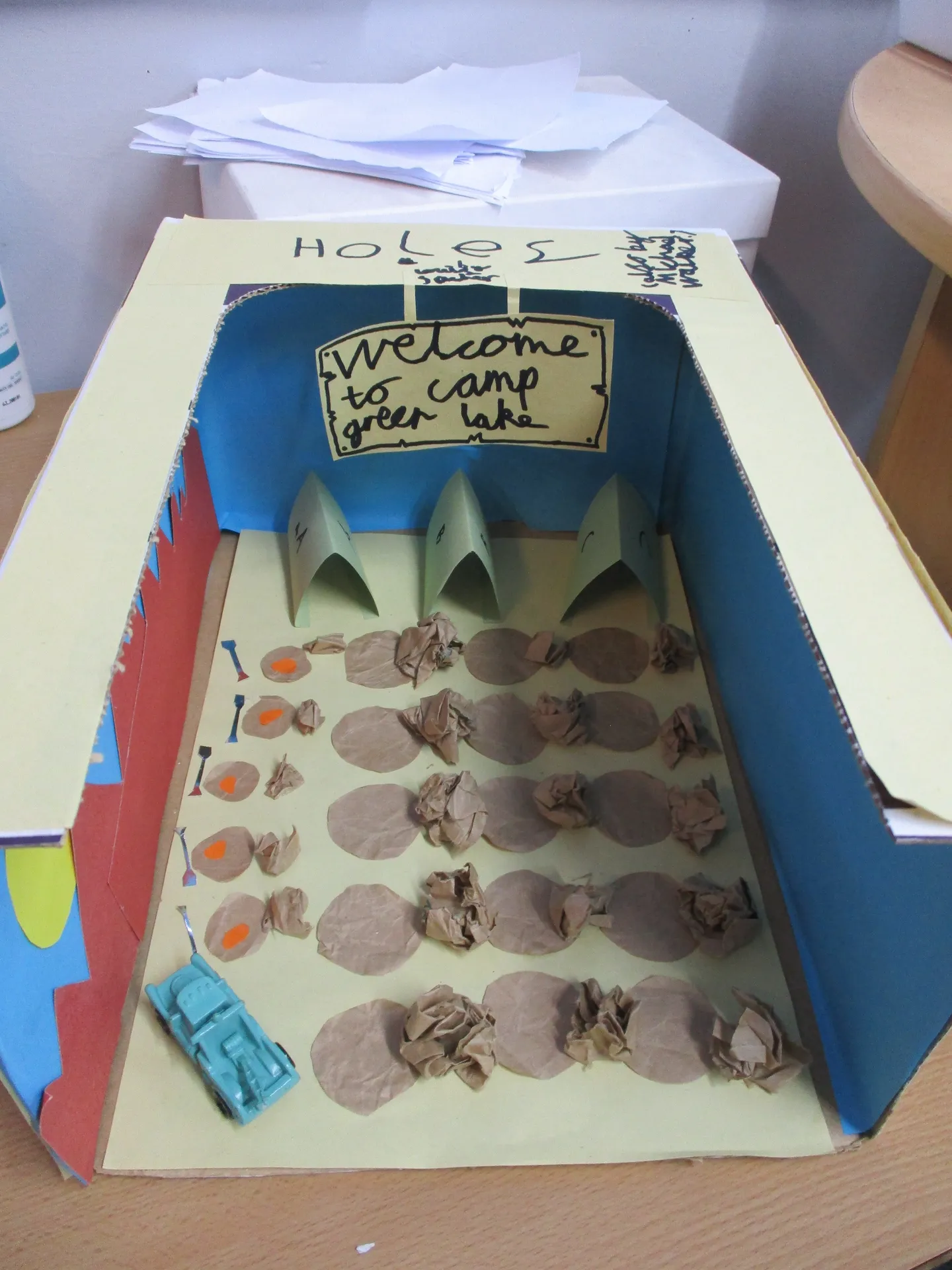
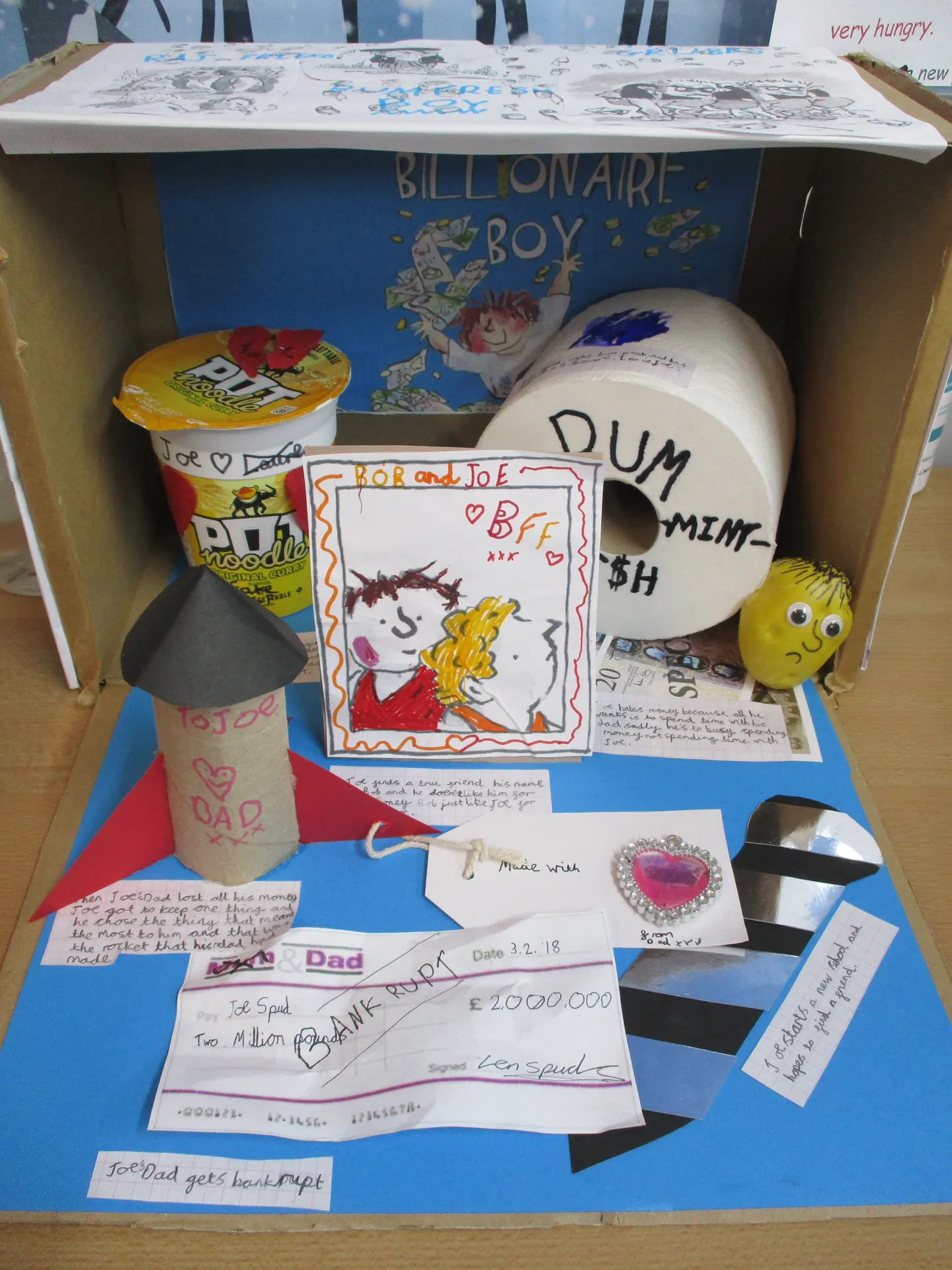
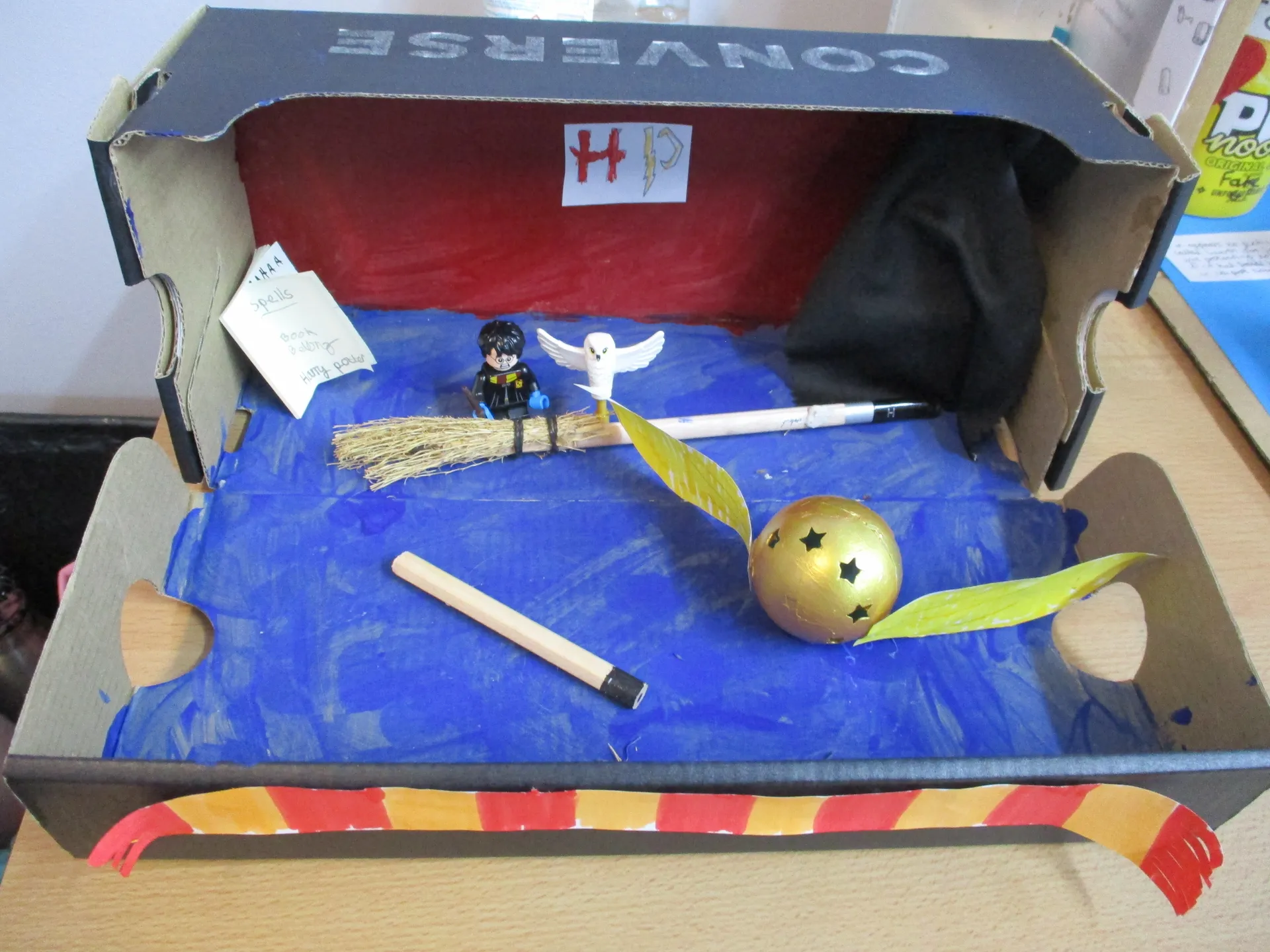
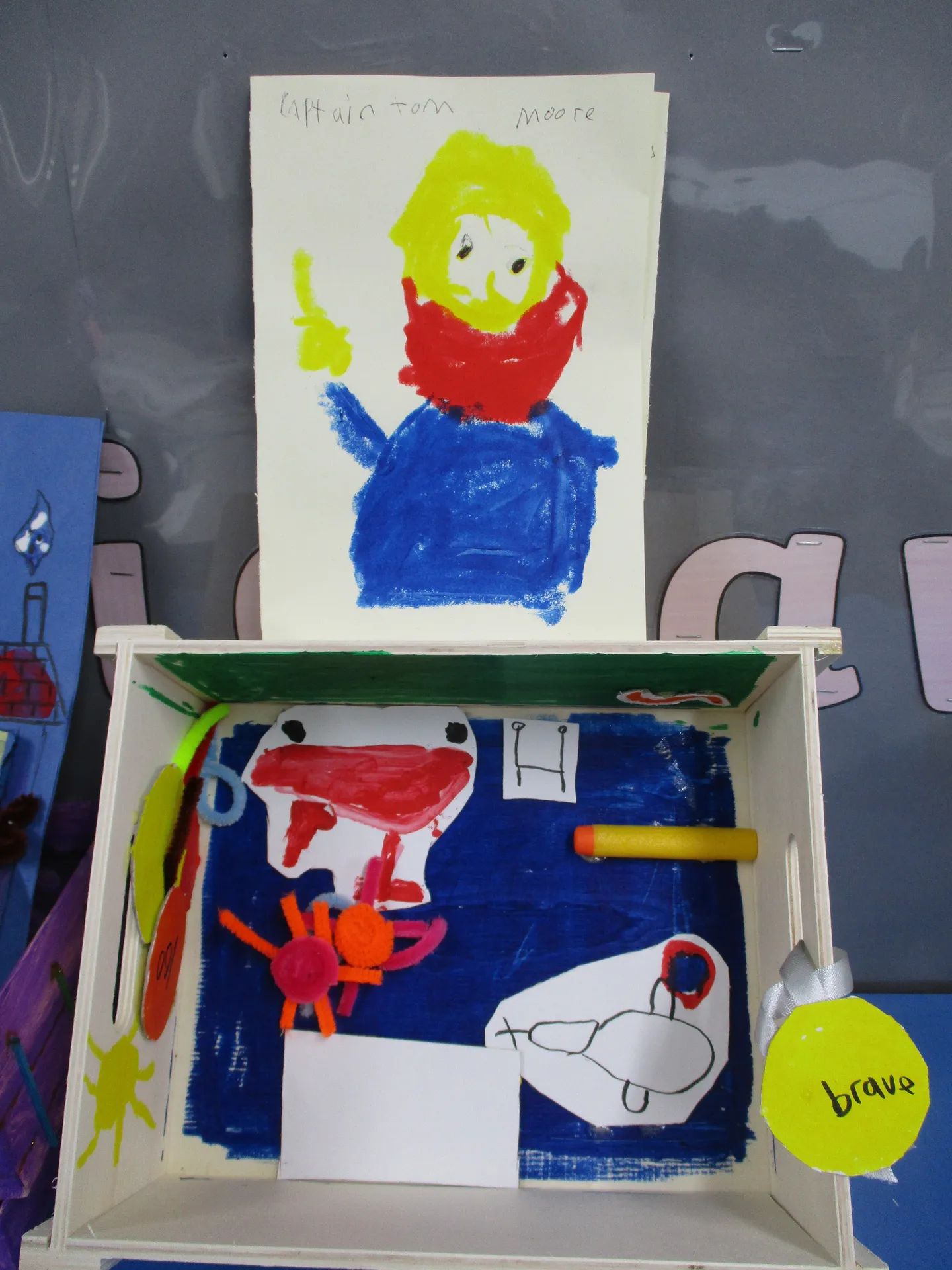
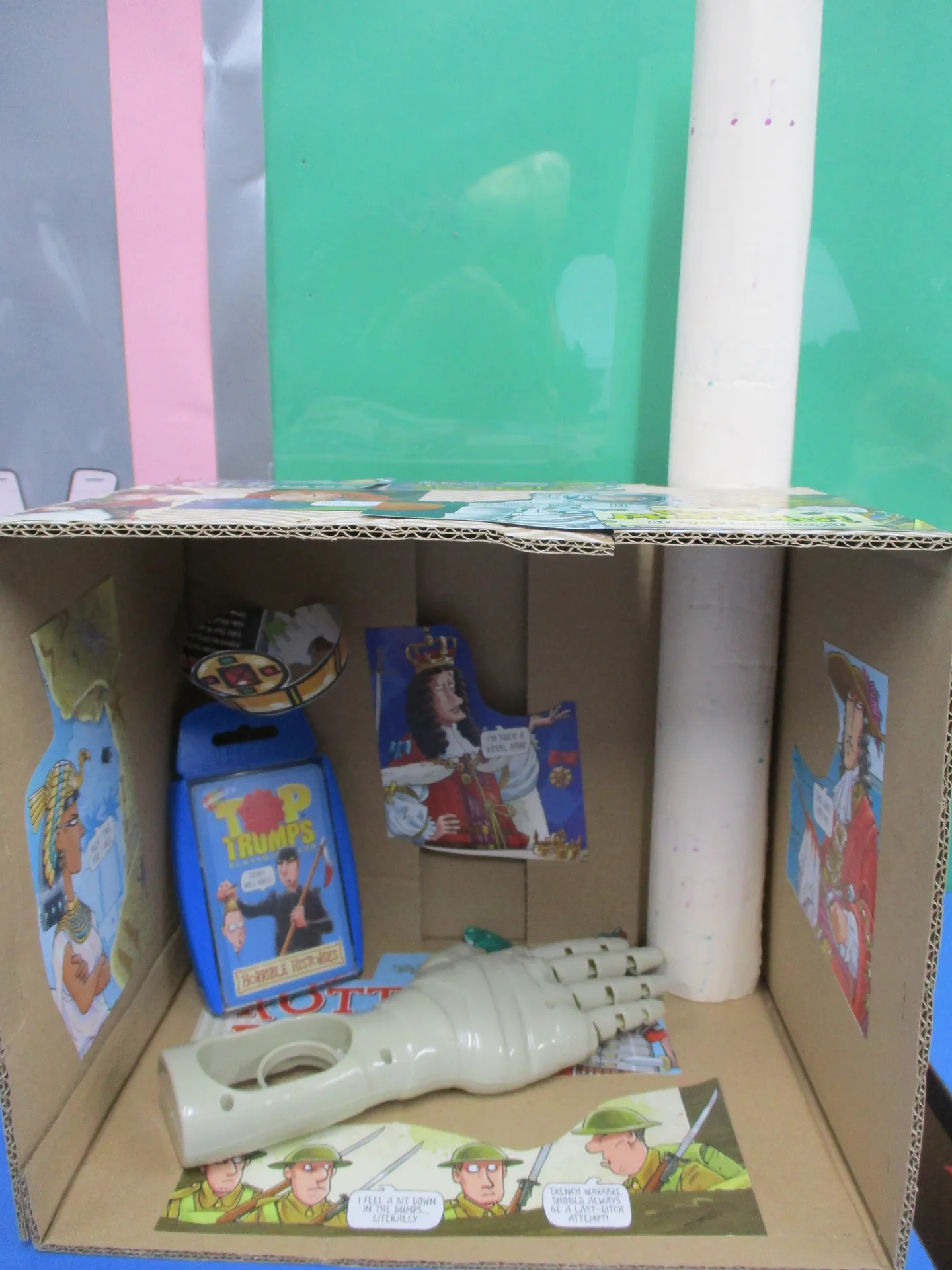
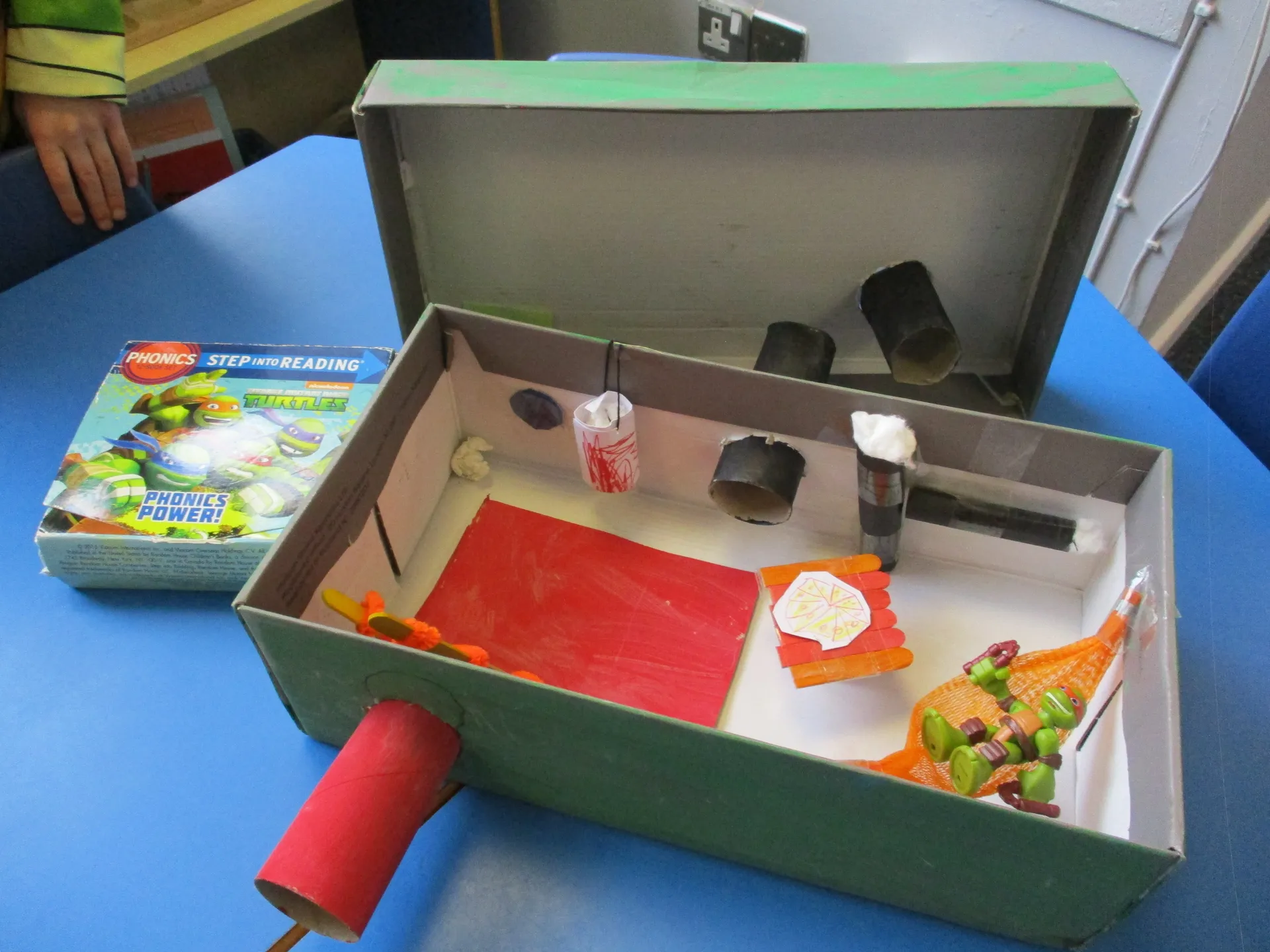
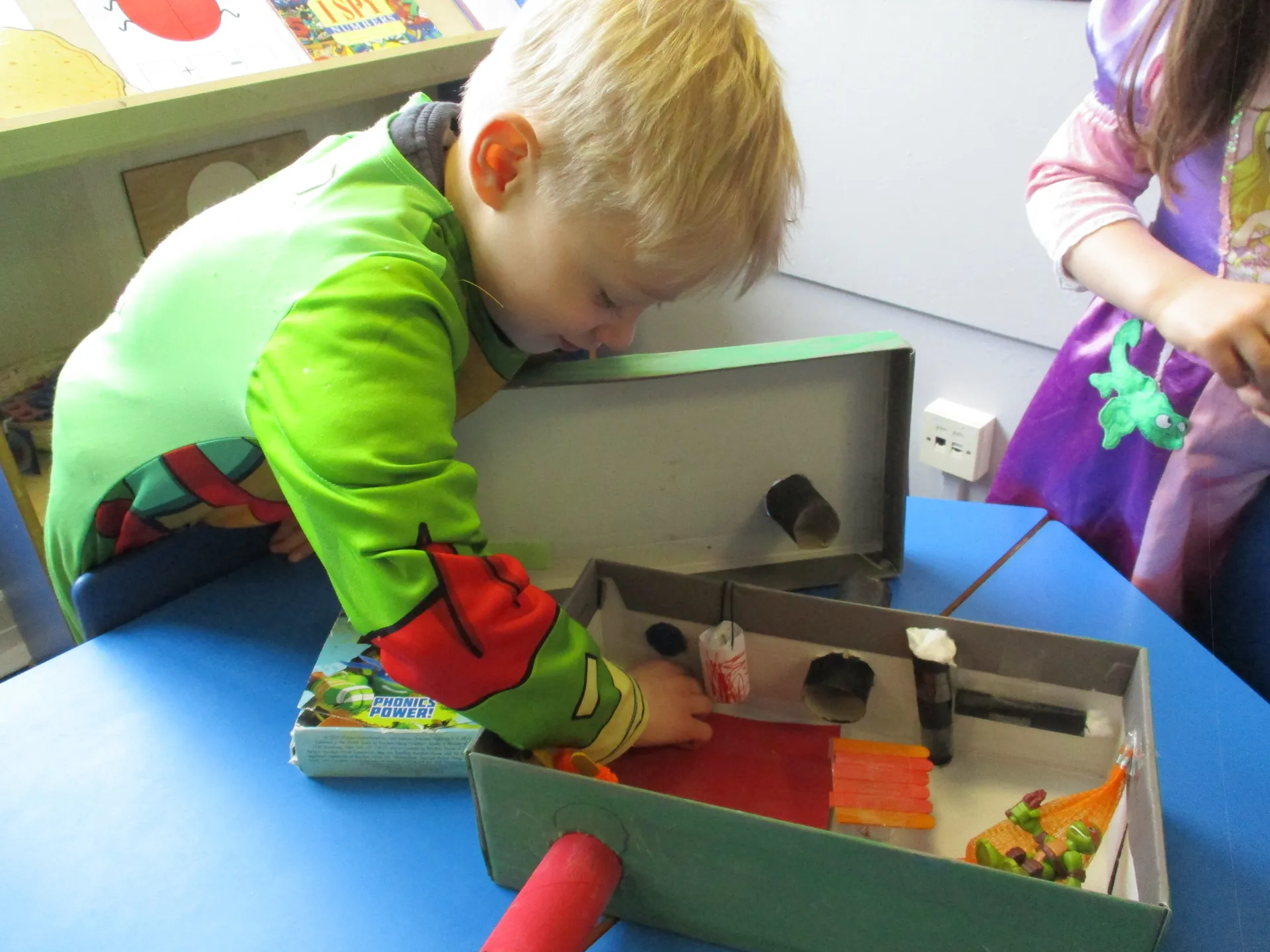
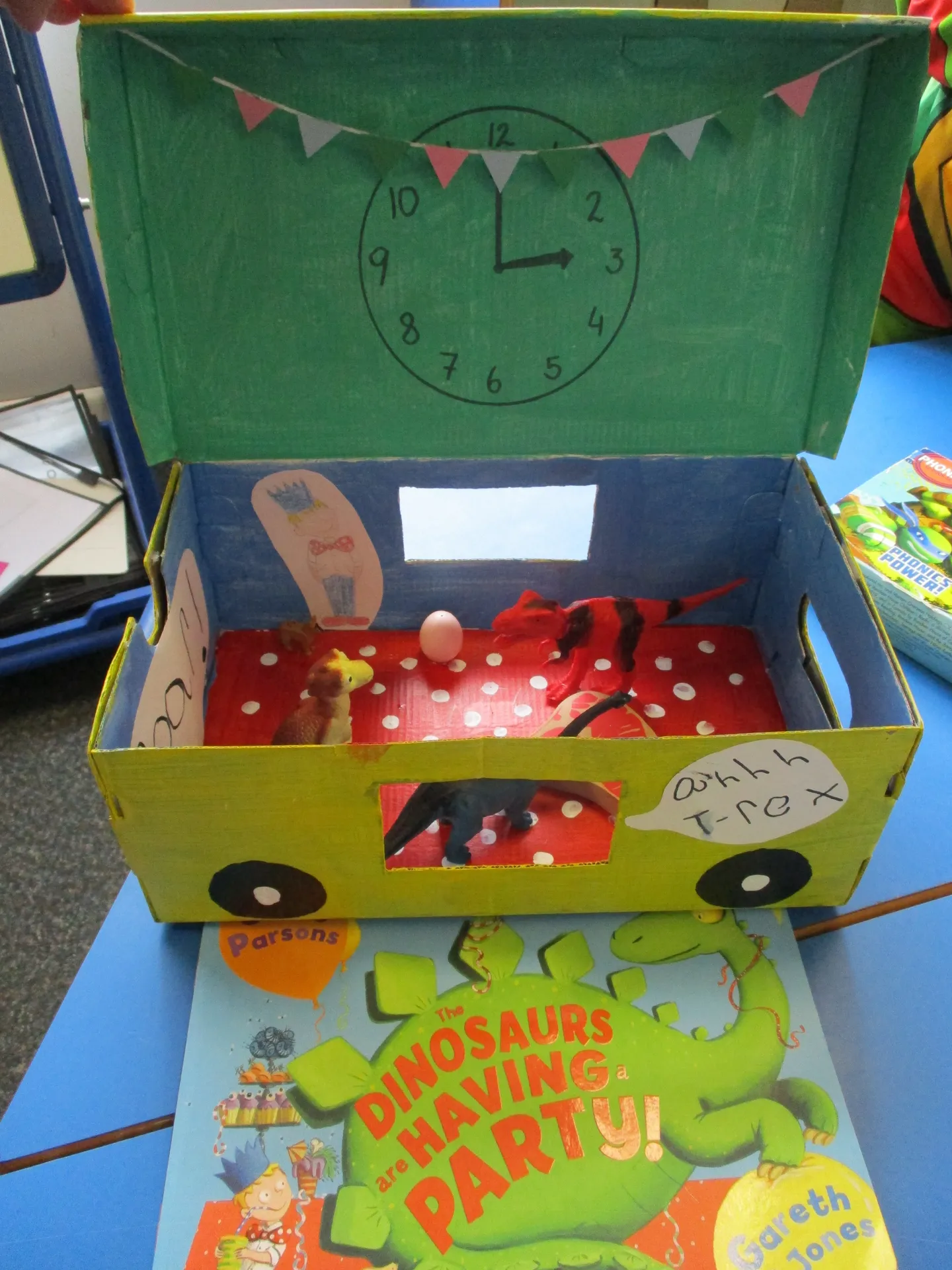
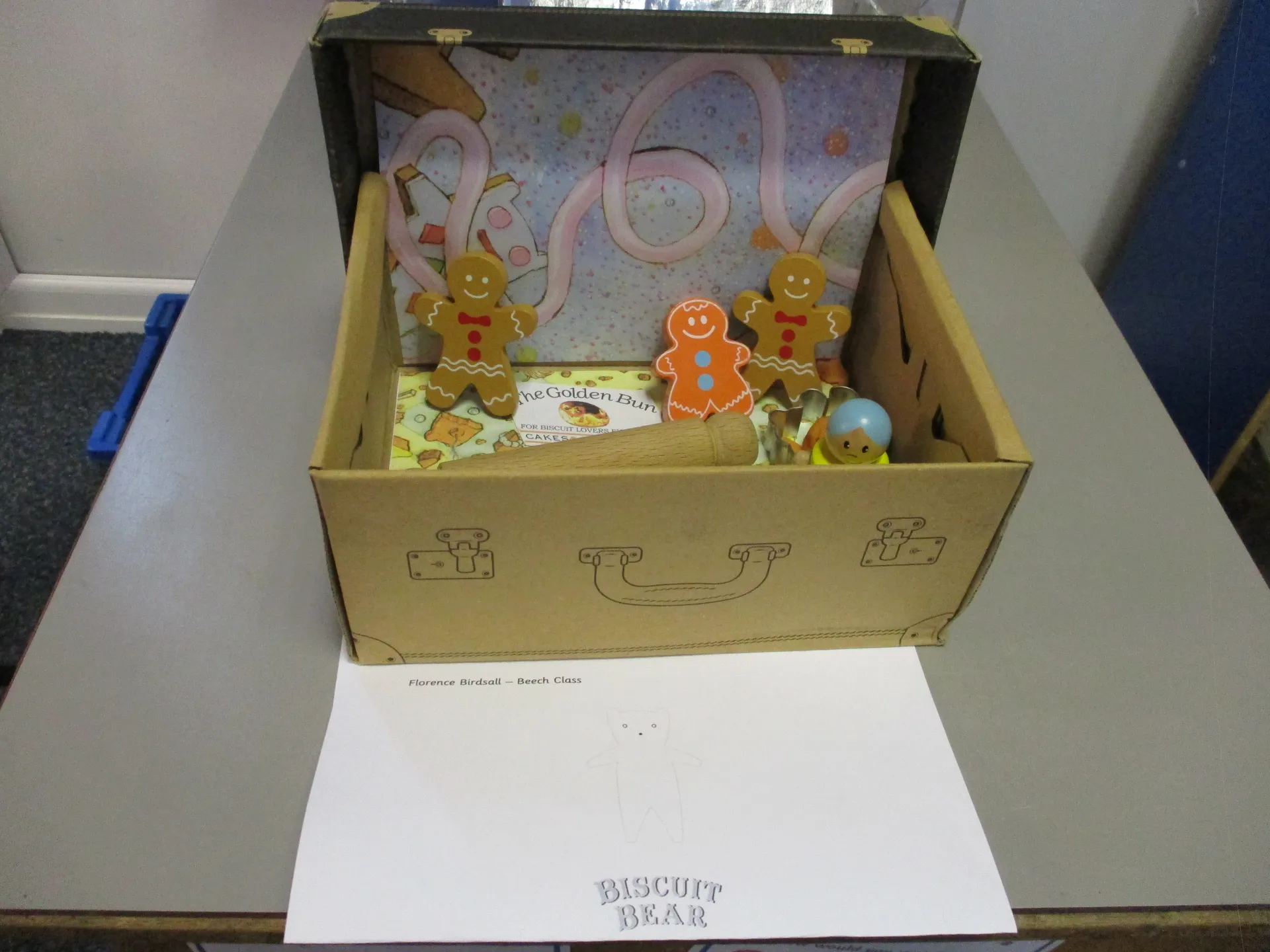
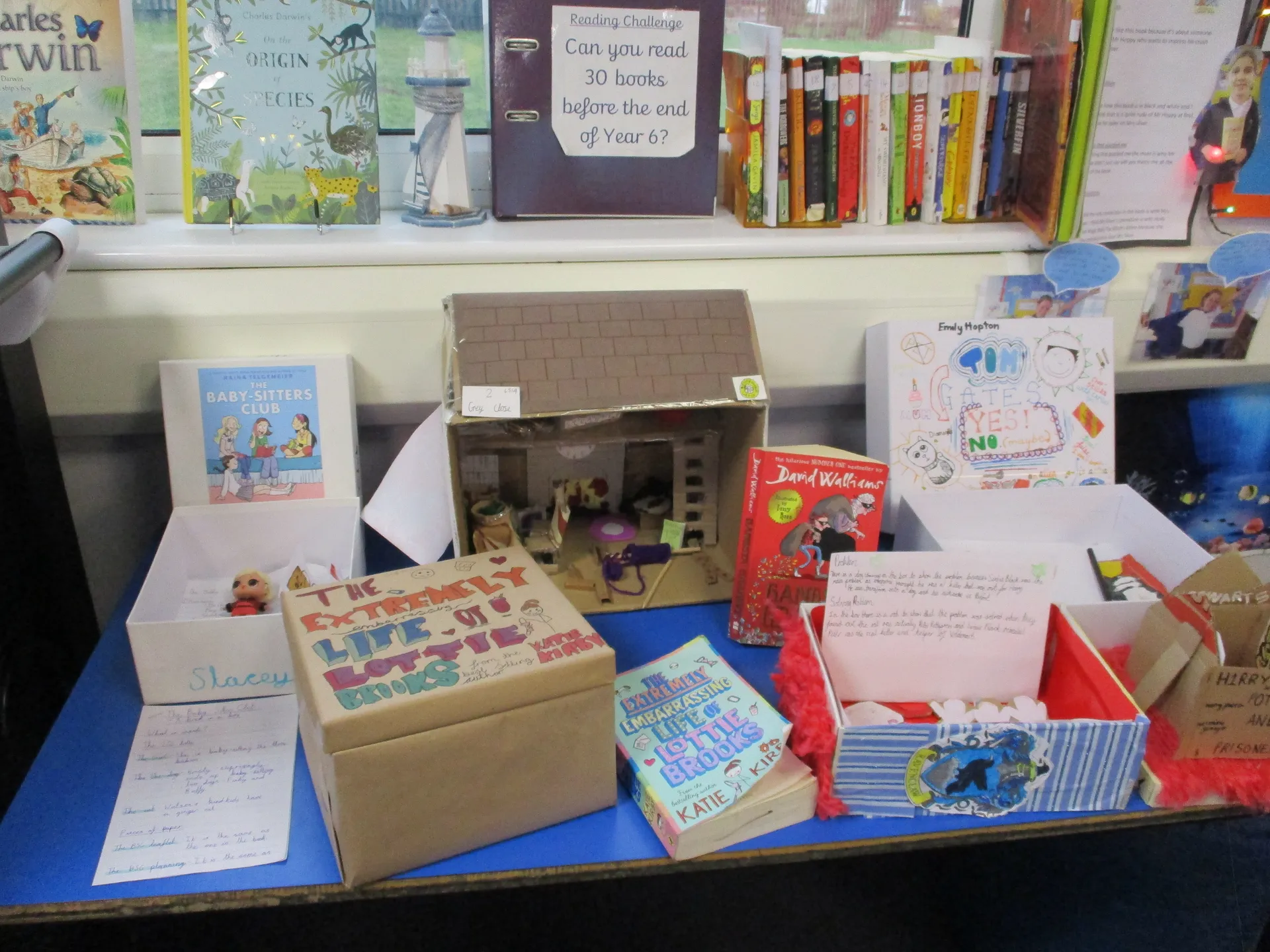
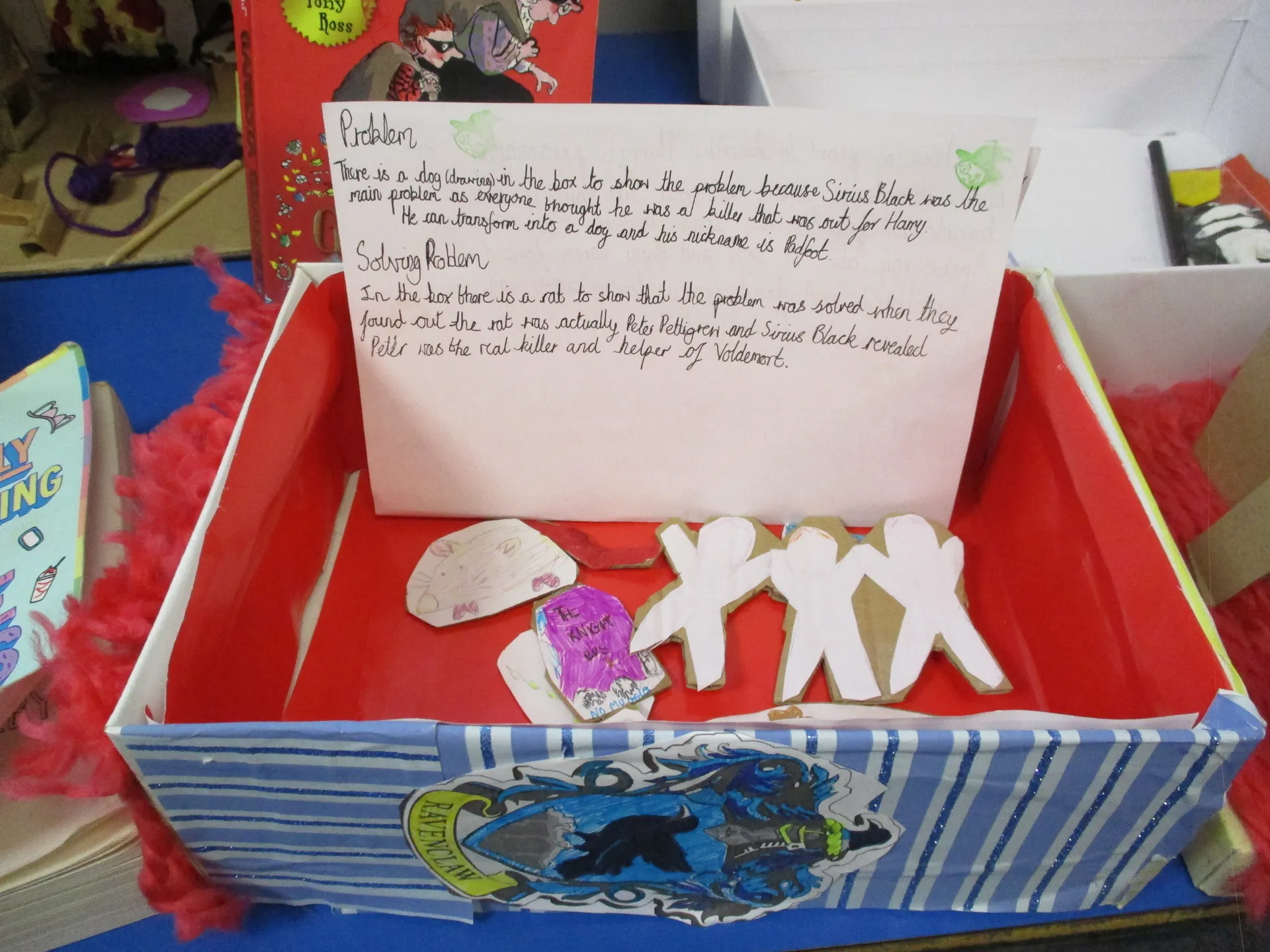
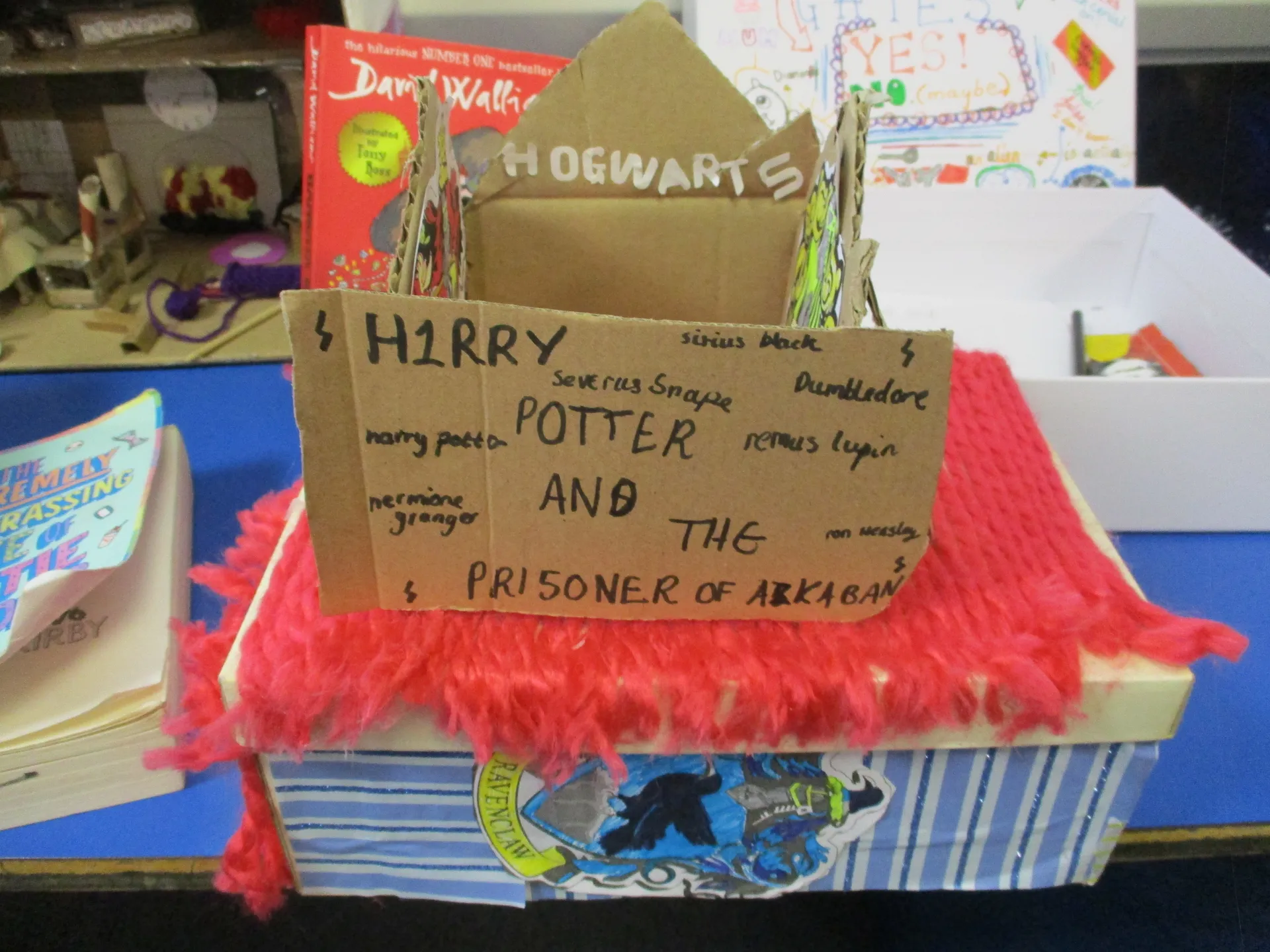
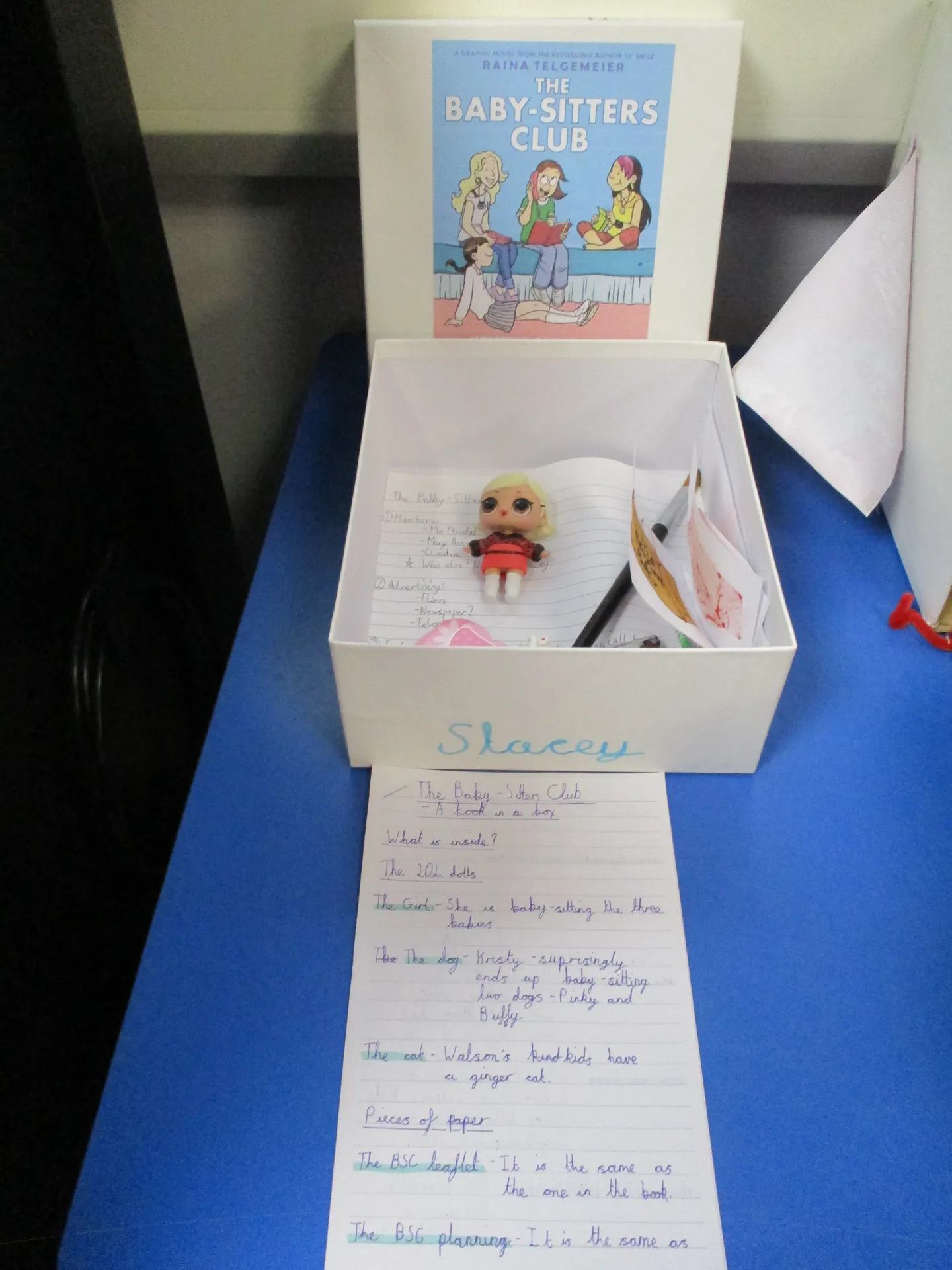
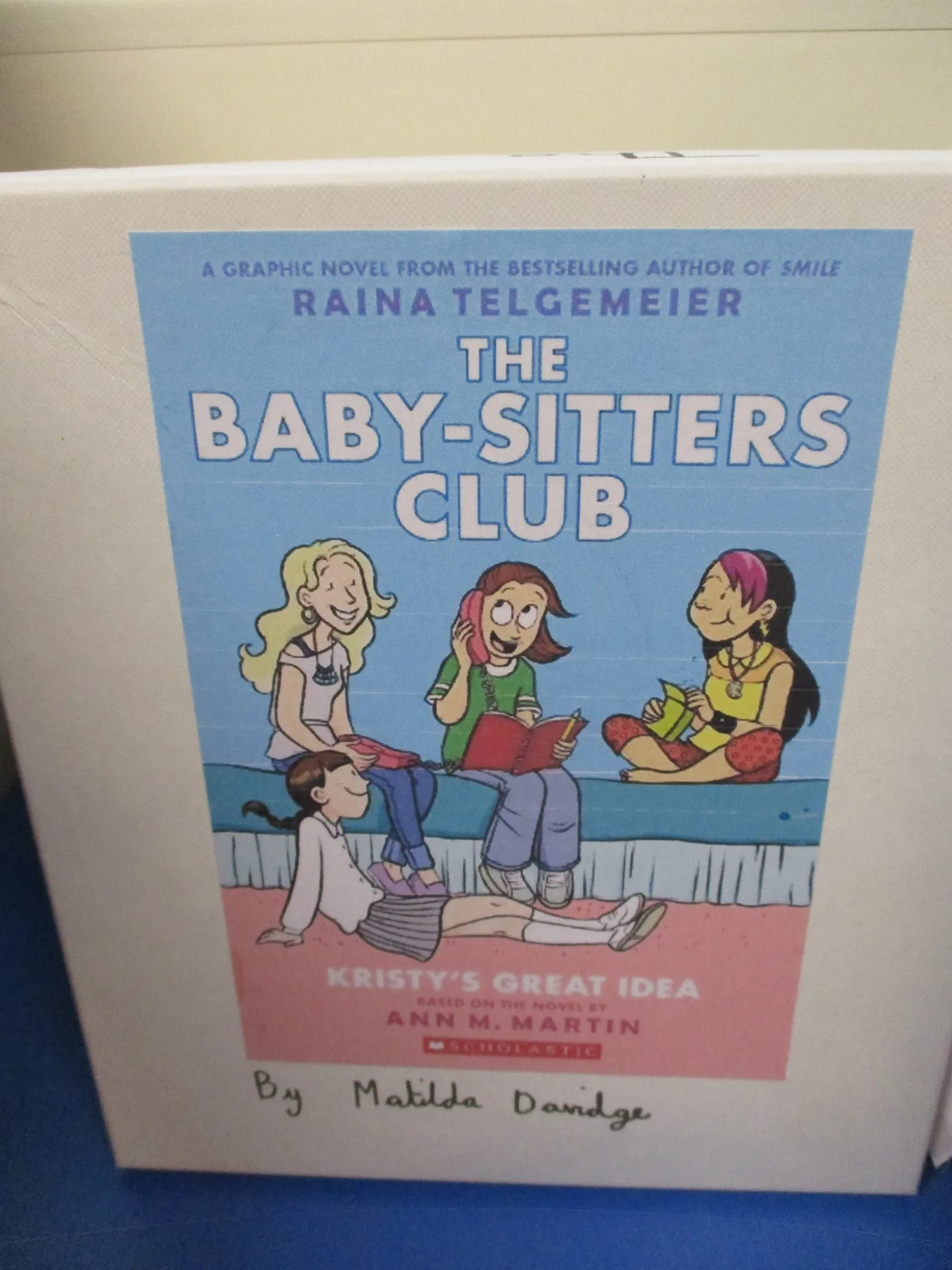
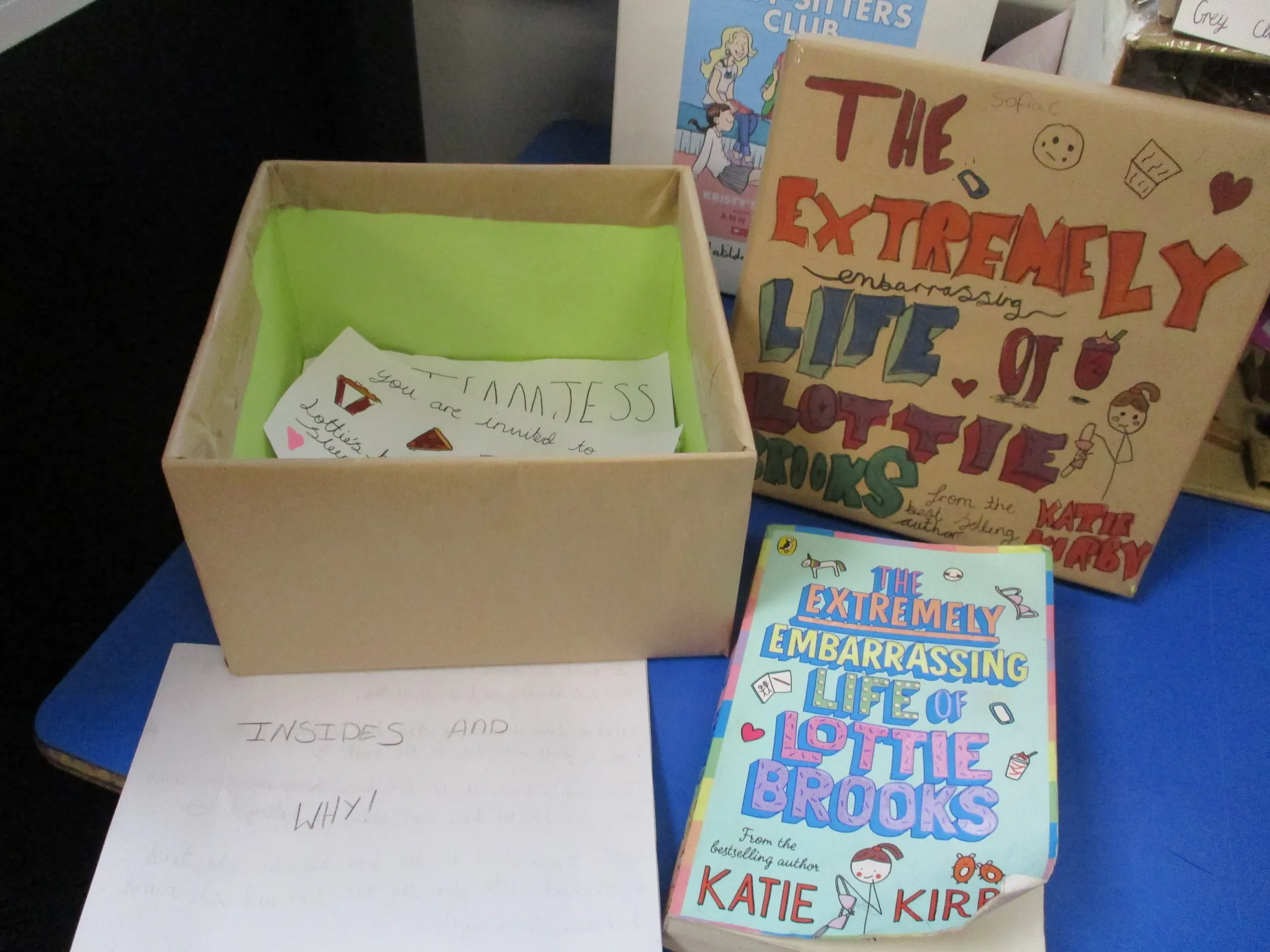
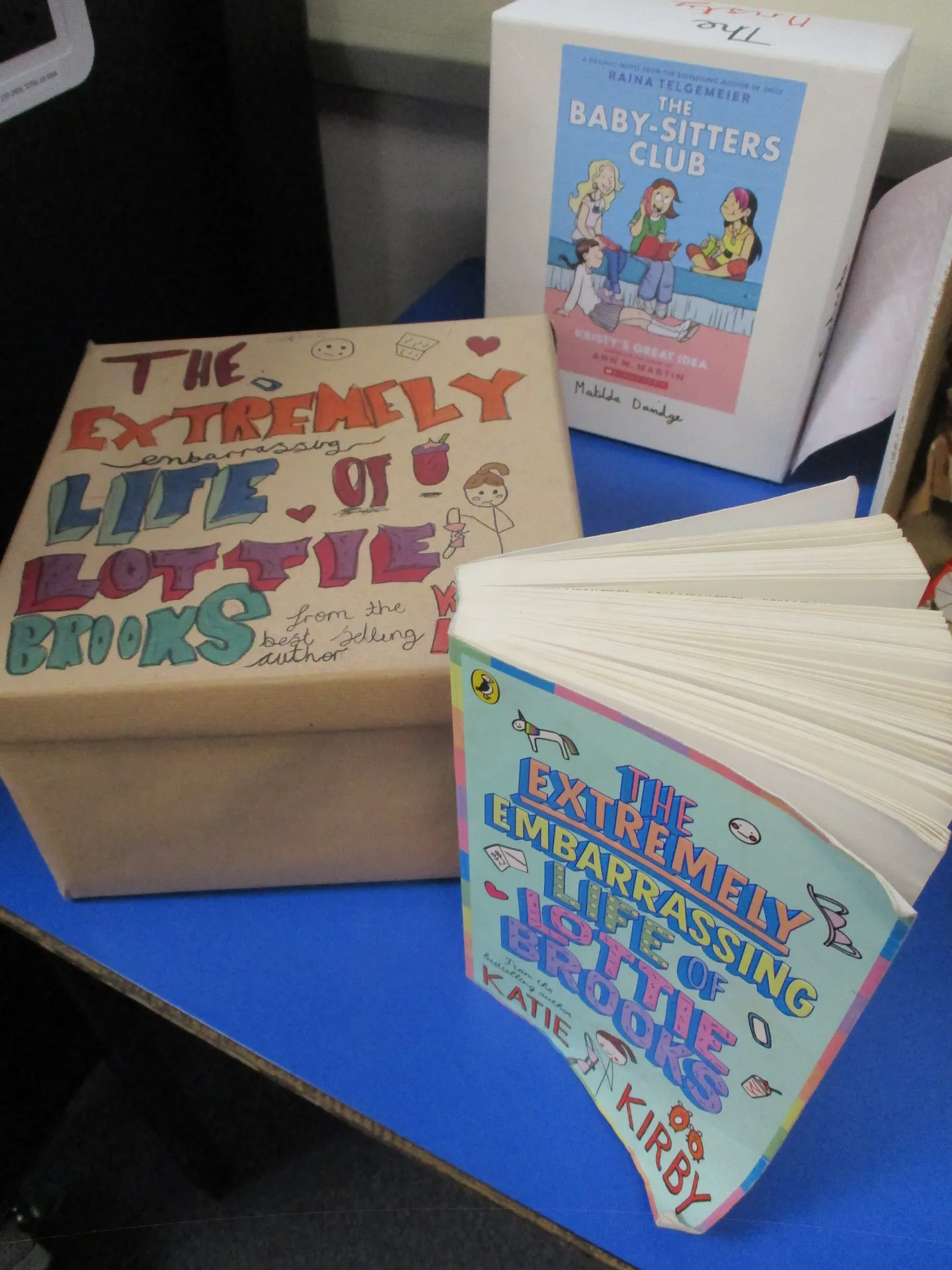
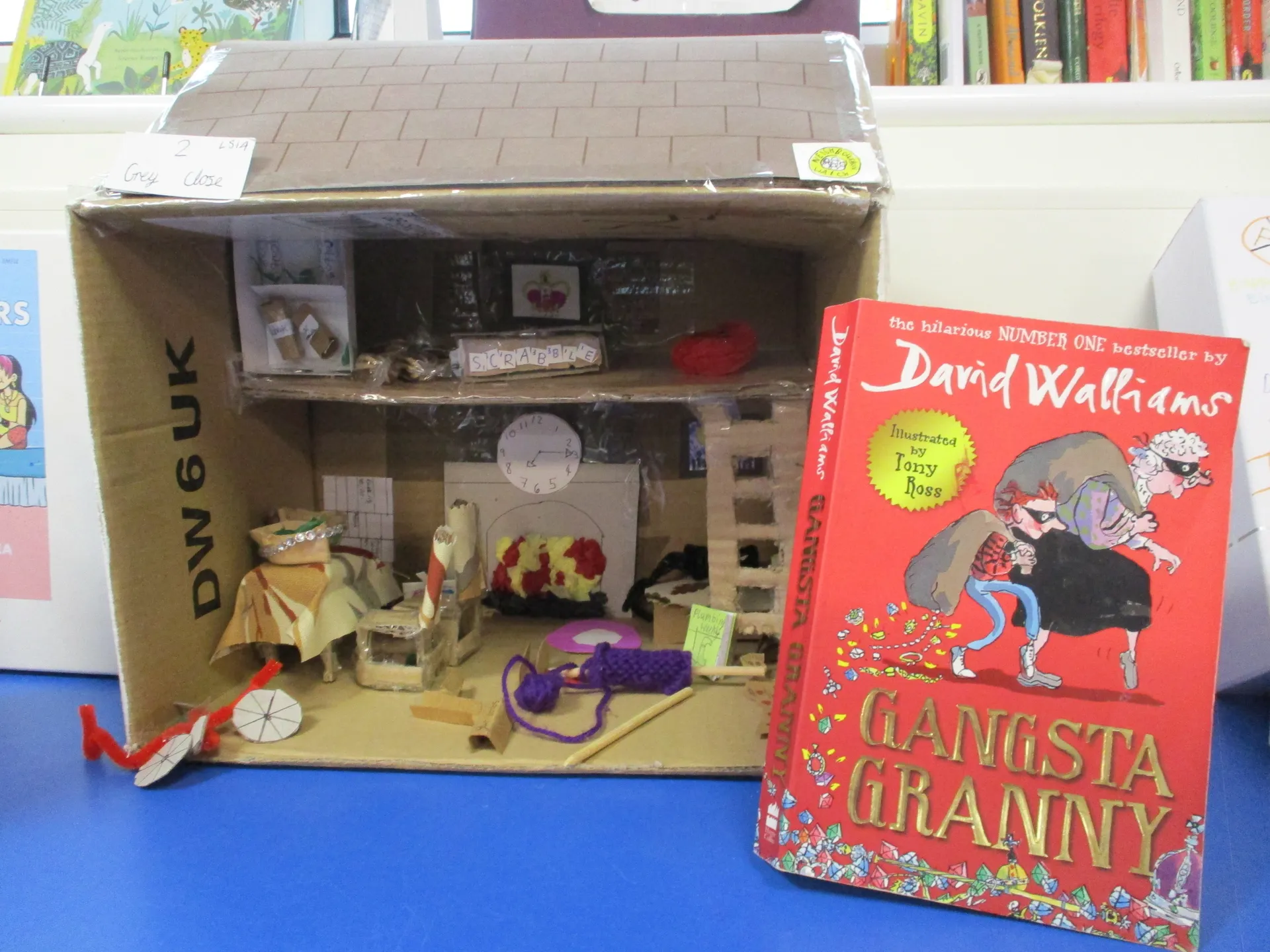
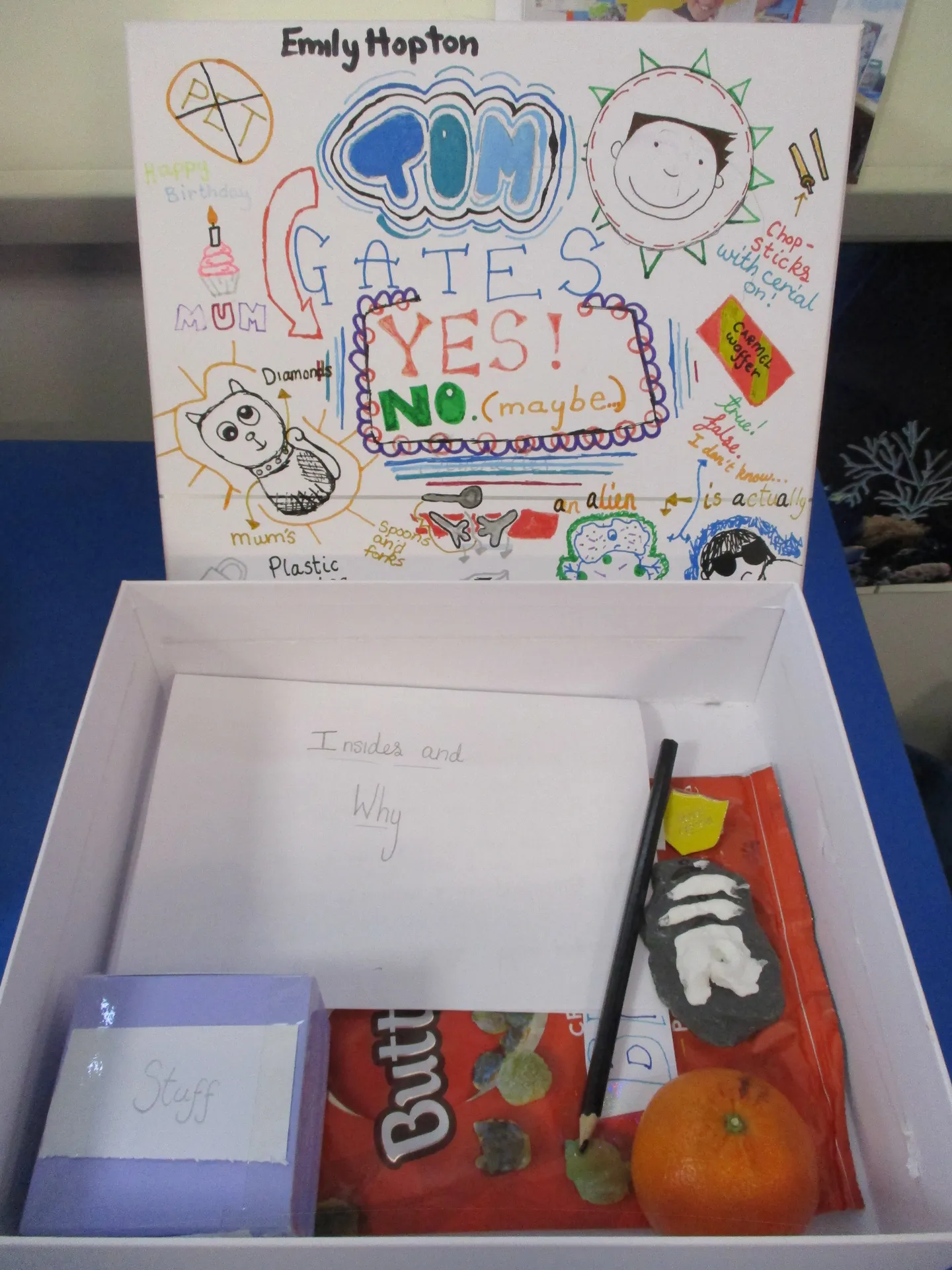
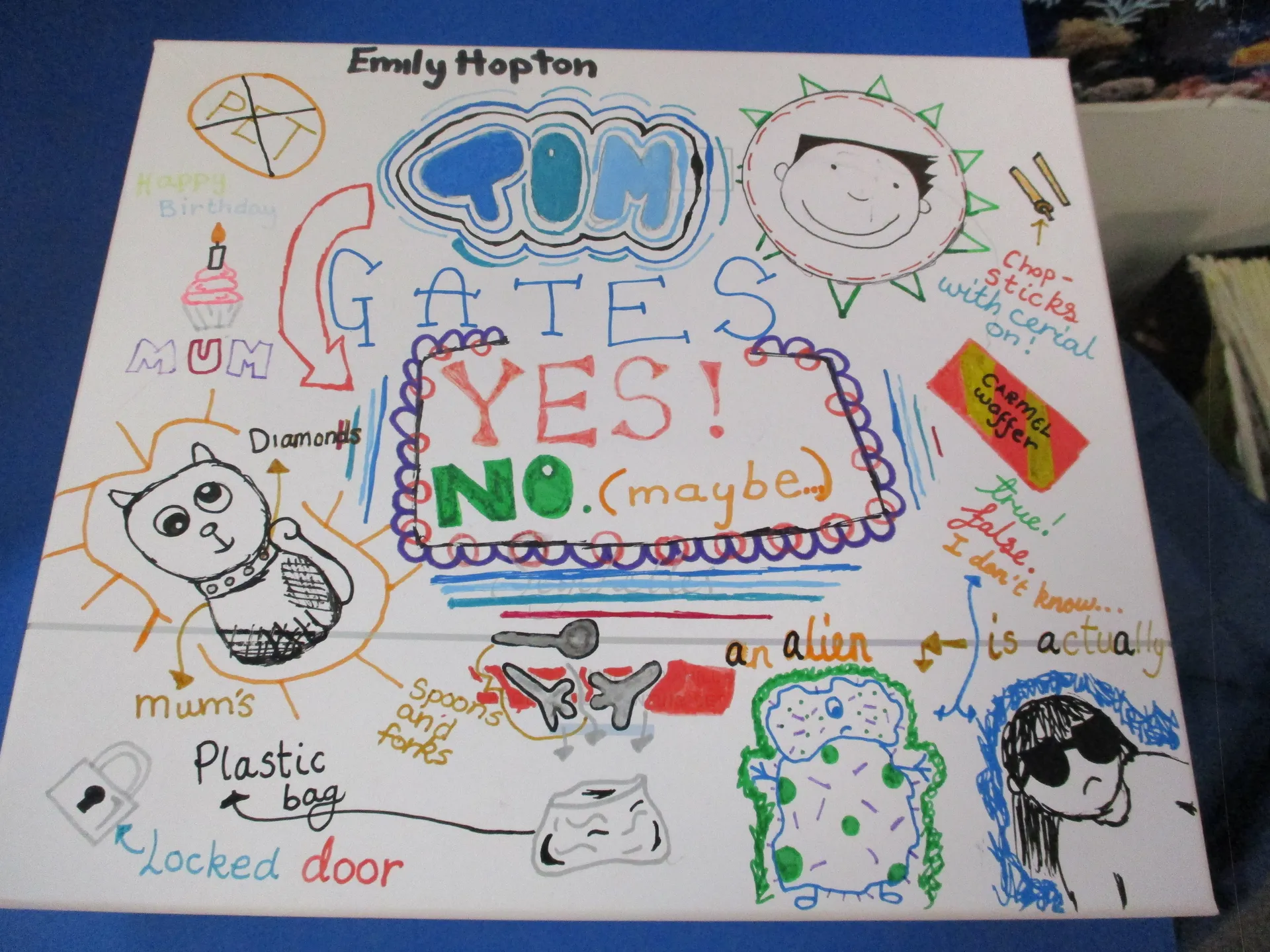
Book in a Box Competition
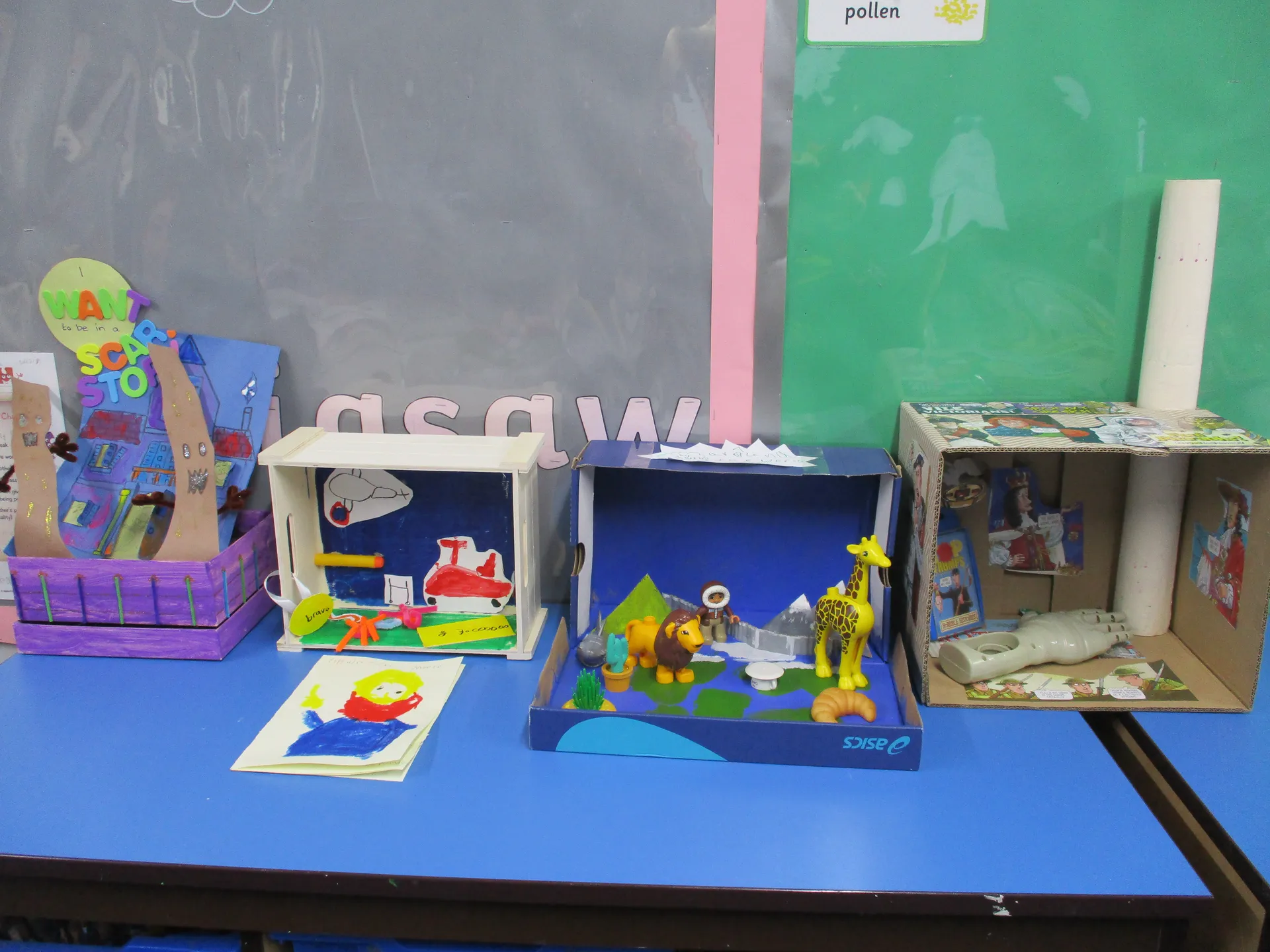
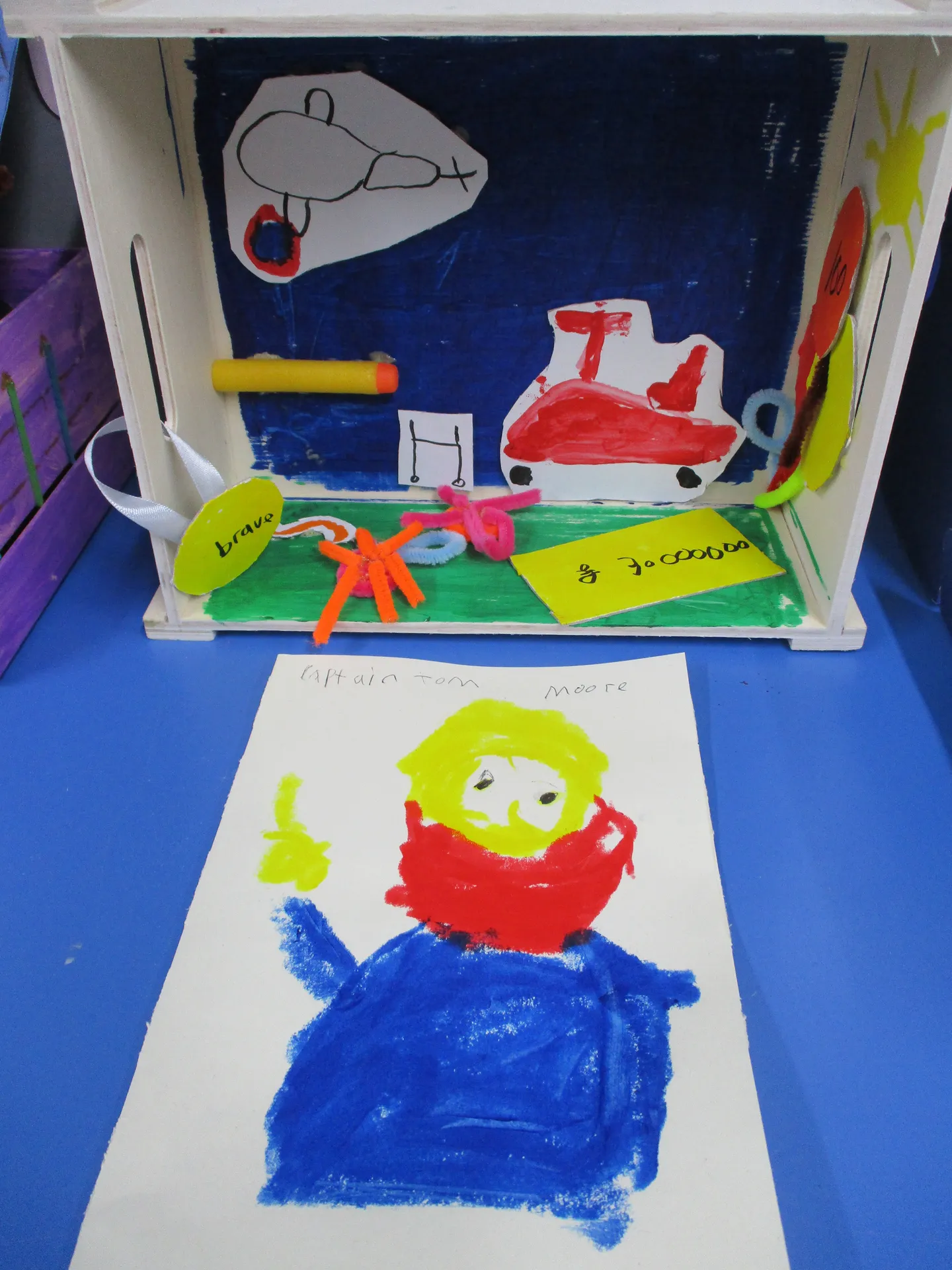
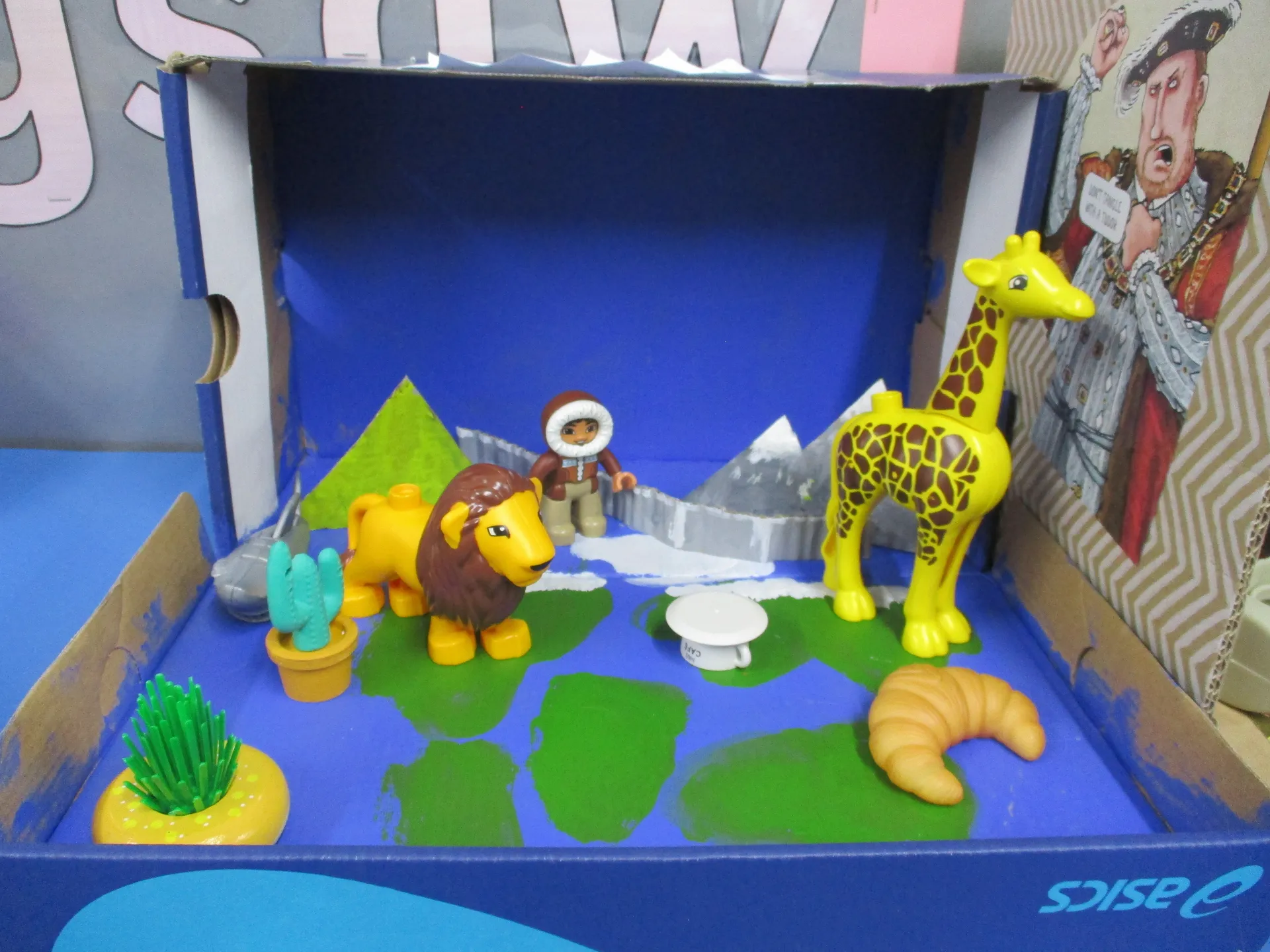
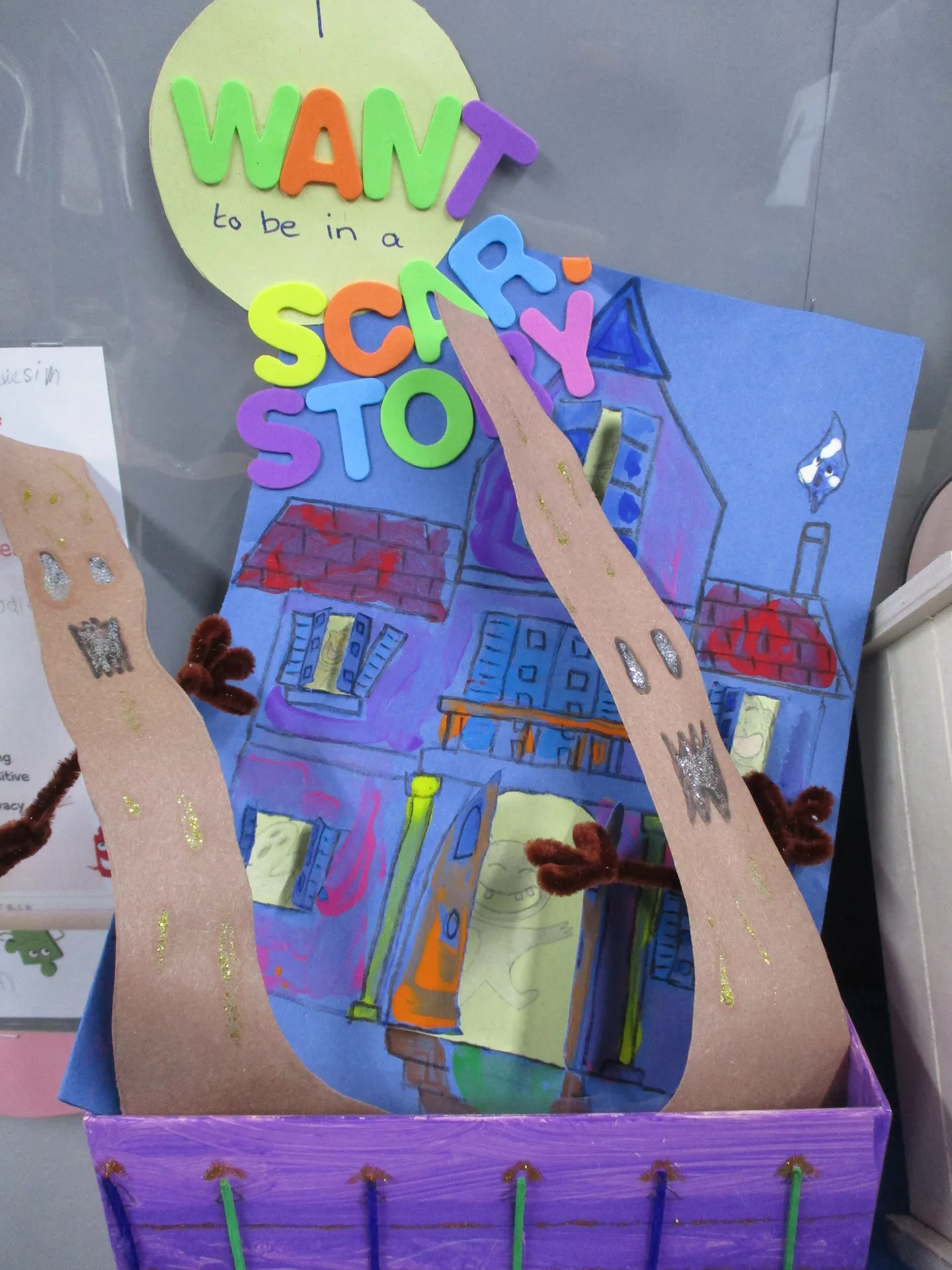
Impact
The impact of our reading approach is:
- Children develop the habit of reading widely and often, for both pleasure and information.
- Children’s comprehension skills develop and they are able to use inference and deduction to make reasoned comments about a text.
- Children enjoy discussing texts and can make links between various texts that they have read.
- Children read a variety of fiction and non-fiction texts.
- Children appreciate our rich and varied literary heritage.
- Children develop a wider vocabulary which in turn helps their writing and speaking.
- Children’s imaginations flourish and curiosity about their curiosity about the world develops.
Here's what our children say:
"I love reading because we have a book corner we can choose to read in.”
"I really enjoy reading a school and I am thankful that at Thorner we get so many chances to read.”
“I enjoy Reading for Pleasure because I like the books in school and also the magazines.”
“I enjoy doing Reading for Pleasure because we can bring our own books in and read with other people. Thorner has helped me start to like reading.”
“I am in awe of all the books we have in school and the variety of them.”
“I love reading our class text ‘War Horse’ with everyone.”
“I like reading because it helps me calm down. I like reading Tom Gates because I love the pictures as it draws me in.”
“I used to hate reading as I never understood the big books but now I enjoy it as we can read in our spare time and we have Reading for Pleasure sessions.”
"I really love reading since I started Year 6, I’m now reading great big books like Harry Potter!”
“At Thorner I enjoy Reading for Pleasure. I love to read with my friends”
Recommended reads:
UK Literacy Association Book Awards 2022 Shortlist:
https://ukla.org/news/ukla-book-awards-2022-shortlist/
The Reader Teacher-reviews and recommendations:
Fresh Books and Debuts Ready for 2022 – The latest releases for children's books!